


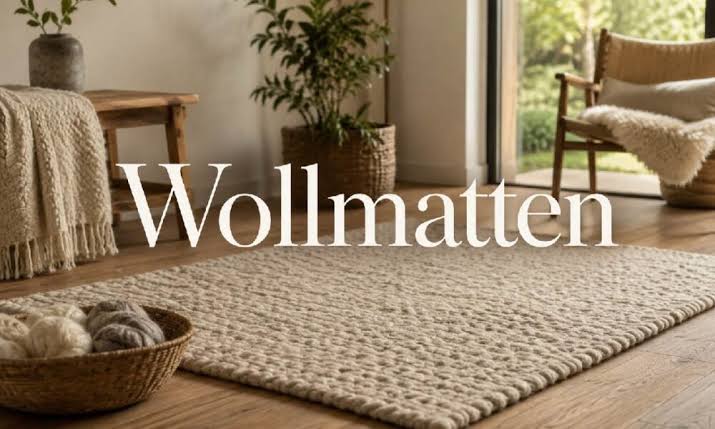
Wollmatten is a German term commonly used to describe wool mats. Depending on the product and context, Wollmatten can be used as floor coverings, insulation materials, acoustic mats, gardening products, protective pads, or comfortable surfaces for homes and other environments. The popularity of wool-based materials comes from the natural properties of wool, including its ability to trap air, manage moisture, provide warmth, and absorb sound.
If you have recently come across the term Wollmatten and are wondering how Wollmatten work, the basic principle is quite simple. Wool fibers naturally form a complex structure containing tiny spaces that can trap air. This structure can help slow heat transfer while also providing cushioning and sound absorption. However, the exact performance of a Wollmatte depends on its construction, thickness, density, and intended use.
What Are Wollmatten?
Wollmatten essentially means wool mats. The word is generally associated with mats made completely or partly from wool, most commonly sheep’s wool. However, there is no single universal type of Wollmatte. Different manufacturers can produce wool mats for completely different purposes.
Some Wollmatten are soft decorative mats designed for floors, while others are dense felt products intended for insulation, sound control, furniture protection, gardening, or other practical applications. The manufacturing process can also vary. Wool may be woven, felted, compressed, tufted, or mechanically needle-punched to create different textures and levels of density.
Because the term covers several types of products, it is important to understand the intended purpose before choosing a particular Wollmatte.
How Do Wollmatten Work?
The effectiveness of Wollmatten comes largely from the natural structure of wool fibers. Wool fibers are naturally crimped, meaning they have a curved or wavy shape rather than being completely straight. When many wool fibers are placed together, they create numerous small spaces containing air.
Air is a relatively poor conductor of heat. When it becomes trapped within the wool structure, it can slow the movement of heat through the material. This is why wool mats can feel warm underfoot and why wool is also used in certain insulation products.
Wool’s structure can also help absorb sound. Instead of allowing sound waves to reflect strongly from a hard surface, a fibrous material can absorb some of the sound energy. This makes certain dense wool mats useful in rooms where reducing echoes and unwanted noise is important.
Another important property is moisture management. Wool can absorb water vapor from surrounding air and release it again as environmental conditions change. This does not mean that Wollmatten are waterproof, but it can contribute to a more comfortable indoor environment.
How Wool Provides Natural Insulation
One of the most important applications of Wollmatten is insulation. Wool’s ability to trap air gives it useful thermal properties. When wool fibers are processed into a dense mat, the resulting material can help slow down heat movement.
In a home, insulation-grade wool products may be installed in areas such as walls, roofs, floors, and ceilings. Their purpose is to reduce unwanted heat transfer between indoor and outdoor spaces.
During cold weather, insulation helps keep indoor heat from escaping too quickly. During warmer periods, insulation can help reduce the speed at which outdoor heat enters a building. The actual performance depends on factors such as thickness, density, installation quality, and the product’s tested thermal properties.
How Wollmatten Help With Moisture
Wool is different from many synthetic materials because it can interact with moisture in the surrounding environment. Its fibers can absorb a certain amount of water vapor and later release it when the surrounding air becomes drier.
This property is sometimes described as moisture buffering. It can help explain why wool products are often considered comfortable in indoor environments.
However, moisture management should not be confused with waterproofing. A wool mat can become wet, and prolonged exposure to water can lead to unpleasant odors, staining, mold growth, or material damage. Wollmatten should therefore be protected from leaks and excessive moisture.
Wollmatten and Sound Absorption
Another reason people use wool mats is their ability to contribute to acoustic comfort. Hard surfaces such as concrete, glass, tile, and bare walls can reflect sound, creating echoes inside rooms.
Wool fibers can absorb some sound energy because of their fibrous and irregular structure. Depending on the density and thickness of the material, wool-based mats may help reduce reflections and make a room feel acoustically softer.
This can be useful in offices, bedrooms, studios, meeting rooms, home theaters, and other indoor spaces where excessive echo is undesirable.
Common Uses of Wollmatten
Wollmatten can be used in several different ways. The most appropriate application depends on the specific type and construction of the mat.
1. Floor Mats and Rugs
Decorative wool mats can be placed in living rooms, bedrooms, offices, hallways, and other indoor spaces. They can provide warmth, cushioning, texture, and visual appeal.
2. Building Insulation
Specialized wool insulation mats can be installed inside walls, roofs, floors, and ceilings. These products are designed specifically for construction and should be selected according to their technical specifications.
3. Acoustic Applications
Dense wool mats and felt products can be used to help manage sound reflections in indoor environments. Their effectiveness depends on thickness, density, installation, and room design.
4. Gardening
Some wool-based garden mats are designed to cover soil around plants. They can help reduce direct sunlight reaching weed seeds, retain some moisture, and provide a protective layer around the soil.
5. Protective and Decorative Applications
Wool felt can also be used as a protective layer beneath furniture, equipment, crafts, and other objects. Its soft surface can reduce direct contact between materials and help prevent scratches.
Benefits of Wollmatten
The popularity of wool mats comes from a combination of natural and practical properties. Some of the potential benefits include:
- Natural thermal insulation
- Warm and comfortable surface
- Ability to manage moisture vapor
- Potential sound absorption
- Soft and resilient fiber structure
- Renewable natural material when sourced responsibly
- Multiple applications around homes and other environments
Wool is also a renewable fiber because sheep can produce new wool throughout their lives. For additional information about wool and textile fibers, readers can explore resources from the Woolmark Company .
Are Wollmatten Environmentally Friendly?
Wool can be an attractive option for people interested in natural and renewable materials. Unlike petroleum-based synthetic fibers, wool comes from an animal source that can be replenished through normal sheep farming.
However, it is important not to assume that every Wollmatte is automatically environmentally friendly. Manufacturing processes, transportation, dyes, backing materials, chemical treatments, and synthetic blends can all affect the overall environmental impact.
If sustainability is your priority, check the complete material composition and look for information about responsible sourcing, manufacturing, durability, and end-of-life disposal.
How to Choose the Right Wollmatte
Before purchasing a Wollmatte, first determine what you want it to do. A decorative floor mat requires different characteristics from an insulation mat or gardening product.
Pay attention to the following factors:
- Material: Check whether the product contains pure wool or a blend.
- Thickness: Thicker mats may provide more cushioning and insulation.
- Density: Density affects durability, firmness, and performance.
- Backing: Check whether the product has a backing designed to prevent movement.
- Intended use: Make sure the product is designed for your specific application.
- Maintenance: Review the manufacturer’s cleaning and care instructions.
Readers looking for more useful online content and writing-related resources can also visit valwriting.org .
How to Care for Wollmatten
Proper care can help extend the useful life of a wool mat. Regularly removing dust and loose dirt can prevent particles from becoming deeply embedded in the fibers. For spills, absorb the liquid quickly rather than aggressively rubbing the affected area.
Always follow the manufacturer’s cleaning instructions because different Wollmatten can have different treatments, backings, and construction methods. Some products may require professional cleaning, while others may be suitable for gentle home cleaning.
Avoid leaving wool mats wet for extended periods. Good ventilation and proper drying are particularly important because excessive moisture can damage wool products.
Final Thoughts
Wollmatten work primarily because of the natural structure and properties of wool. The crimped fibers create tiny air spaces that can help slow heat transfer, while the fibrous structure can contribute to sound absorption and cushioning. Wool can also interact with moisture vapor, adding another useful characteristic for indoor applications.
From decorative floor coverings and insulation to acoustic materials and garden products, Wollmatten can serve many purposes. However, not every wool mat is designed for every application. Checking the material composition, thickness, density, construction, and manufacturer’s specifications is essential before buying or installing one.
Frequently Asked Questions About Wollmatten
What does Wollmatten mean?
Wollmatten is a German term generally translated as “wool mats.” It can refer to different types of mats made entirely or partly from wool.
How do Wollmatten work?
Wollmatten use the natural structure of wool fibers to trap air, provide insulation, manage moisture vapor, and in some applications absorb sound.
Are Wollmatten waterproof?
No. Wool can manage moisture vapor, but a wool mat should not be considered waterproof. It should be protected from prolonged exposure to water.
Can Wollmatten be used for insulation?
Yes. Specialized wool insulation products can be used in walls, roofs, floors, and ceilings, provided they are designed and rated for the intended construction application.
Are Wollmatten sustainable?
Wool is a renewable natural fiber, but the sustainability of a particular Wollmatte depends on its complete composition, manufacturing process, transportation, treatments, and durability.