


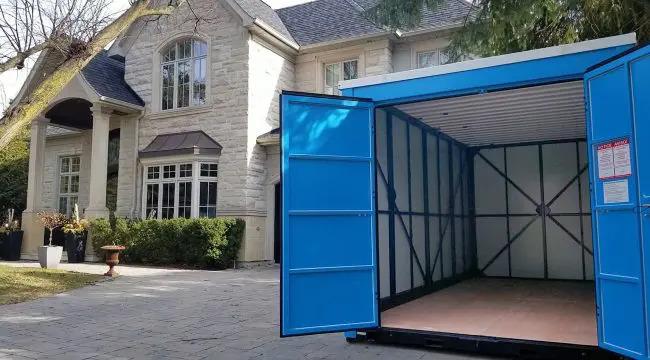
Portable storage has become a practical solution for people who need extra space without making permanent changes to their homes, offices, or businesses. From small storage boxes and mobile cabinets to portable storage containers, these options can help keep belongings organized while allowing them to be moved when needed.
Portable storage can be useful during a home move, renovation, office relocation, seasonal organization, or simple decluttering project. The right option depends on the amount of space required, the items being stored, how often they need to be accessed, and where the storage unit will be placed.
What Is Portable Storage?
Portable storage refers to storage solutions that can be moved from one location to another. Unlike a permanent storage room or built in cabinet, portable storage gives users greater flexibility.
Some portable storage products are small enough to carry by hand, while larger containers may be transported using specialized vehicles. The basic idea is to provide additional storage space without requiring a permanent structure.
Portable storage can be used indoors or outdoors, depending on the type of container and the materials used to construct it.
Common Types of Portable Storage
There are several types of portable storage solutions available. Each option serves a different purpose.
- Storage Boxes: Plastic, metal, or fabric boxes are useful for clothing, documents, toys, tools, and household items.
- Portable Cabinets: Mobile cabinets can provide additional organization in offices, workshops, garages, and other spaces.
- Storage Containers: Larger containers can hold furniture, appliances, boxes, and other belongings during a move or renovation.
- Rolling Storage: Storage units with wheels can be moved around a room without much effort.
- Portable Shelving: Adjustable shelving can help organize supplies while remaining easy to relocate.
Benefits of Portable Storage
One of the biggest benefits of portable storage is flexibility. People can move their storage solution when their needs change. This can be especially useful for renters, businesses, students, and families who frequently change locations.
Another benefit is organization. Instead of keeping items scattered across different rooms, belongings can be grouped into labeled containers or storage units.
Portable storage can also help during home improvement projects. Furniture and personal belongings can be moved into temporary storage while rooms are being painted, repaired, or renovated.
Portable Storage for Moving
Moving is one of the most common situations where portable storage can be useful. Instead of transporting every item immediately, homeowners can place belongings into a portable container and move them according to their schedule.
This can provide additional flexibility when there is a gap between leaving an old property and moving into a new one. Large storage containers may also provide enough space for furniture, boxes, household appliances, and other belongings.
Before selecting a container, measure large items and estimate the total number of boxes. Choosing the correct size can prevent unnecessary costs and make loading easier.
Portable Storage for Small Spaces
People living in apartments and smaller homes can use portable storage to make better use of available space. Storage boxes can fit under beds, inside closets, or on shelves.
Vertical storage can also be useful because it uses wall height rather than taking up additional floor space. Items that are rarely used can be placed higher, while frequently used belongings should remain within easy reach.
Good organization is easier when every container has a clear purpose. For example, one box can be used for winter clothing, another for documents, and another for seasonal decorations.
Portable Storage for Businesses
Businesses can also benefit from portable storage. Offices may need temporary space for documents, promotional materials, equipment, or extra supplies.
Retail businesses can use portable storage for seasonal stock, while construction companies may need temporary storage for tools and materials. Mobile storage can also be helpful during office renovations or relocation projects.
Businesses should consider security, weather protection, accessibility, and the amount of storage space required before choosing a solution.
Choosing the Right Portable Storage
Several factors should be considered before purchasing or renting portable storage.
- Size: Estimate how much you need to store before choosing a container.
- Material: Select materials that are suitable for the environment and type of items being stored.
- Security: Consider locks and other security features for valuable belongings.
- Weather Protection: Outdoor storage may require waterproof or weather resistant construction.
- Accessibility: Make sure frequently used items can be reached easily.
- Mobility: Check how easily the storage unit can be moved.
Organizing Portable Storage
Good organization can make portable storage much more useful. Labeling every box is one of the simplest ways to save time later. Labels should clearly describe the contents instead of using vague terms such as “stuff” or “miscellaneous.”
Keep heavier items at the bottom and lighter items on top. Avoid overloading boxes because excessive weight can make them difficult to move and may damage the container.
For important documents, photographs, electronics, and other sensitive belongings, consider additional protection such as waterproof packaging or protective cases.
Portable Storage and Decluttering
Portable storage can also support a decluttering project. Instead of immediately throwing away items that are not currently needed, people can temporarily store them and decide later whether they should be kept, donated, sold, or discarded.
A useful approach is to divide belongings into categories such as daily use, seasonal use, long term storage, donation, and disposal. This makes the decluttering process more organized.
For people interested in improving organization through clear planning and structured information, this guide to improving writing skills offers useful advice about organization, clarity, and structured communication.
Safety Tips for Portable Storage
Safety should always be considered when storing heavy or valuable items. Do not place extremely heavy objects on unstable shelves or stack boxes higher than recommended.
Keep walkways clear and avoid blocking emergency exits. If storing electrical equipment, make sure it is clean and completely dry before placing it into a container.
Outdoor storage should also be checked regularly for signs of moisture, pests, or damage. The Ready.gov home safety information provides additional guidance on protecting homes and belongings from common hazards.
Final Thoughts
Portable storage provides a flexible way to create additional space at home, in an office, or during a move. Storage boxes, mobile cabinets, shelving, and larger containers can all help people keep belongings organized without relying on permanent storage solutions.
The best option depends on the amount and type of items being stored, available space, security needs, and how frequently the belongings need to be accessed. With proper labeling, careful packing, and regular organization, portable storage can make moving, decluttering, renovation, and everyday organization much easier.