


Introduction
Textiles are an essential part of everyday life. From the clothes we wear to the furnishings in our homes, textiles play a significant role in comfort, fashion, and functionality. The textile industry is one of the oldest and most important industries in the world, influencing economies, cultures, and technological advancements for thousands of years.
This article explores the meaning of text iles, their history, types, manufacturing processes, applications, and future trends shaping the global textile industry.
What Are Textiles?
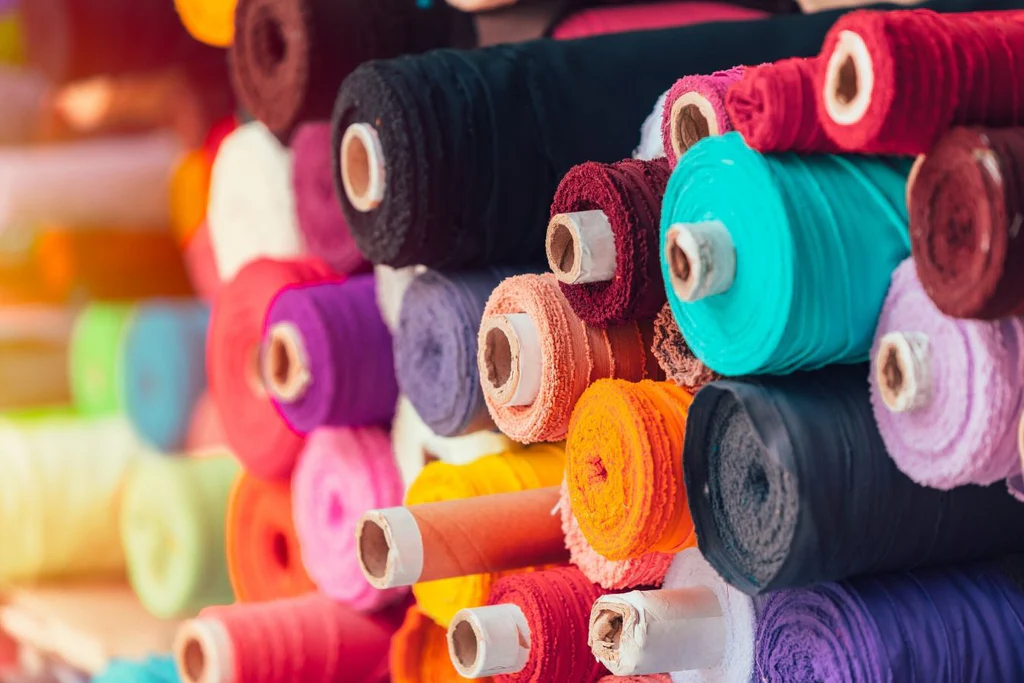
Textiles are materials made from fibers that are woven, knitted, crocheted, bonded, or otherwise manufactured into fabrics. These fabrics can be used for clothing, home furnishings, industrial applications, and countless other purposes.
The word “textile” comes from the Latin word texere, which means “to weave.” While weaving remains a common method of textile production, modern textiles can also be created through knitting, felting, and advanced manufacturing technologies.
History of Textiles
Ancient Beginnings
The history of tex tiles dates back thousands of years. Early humans used animal skins and plant fibers for protection from harsh weather. As civilizations developed, they learned to spin fibers into yarn and weave them into fabric.
Ancient civilizations such as Egypt, India, China, and Mesopotamia made significant contributions to textile production. Cotton cultivation flourished in India, while silk production became a hallmark of ancient China.
The Silk Road
The Silk Road played a crucial role in spreading textile knowledge and products across continents. Silk, wool, cotton, and other fabrics became valuable trade commodities, connecting Asia, Europe, and Africa.
Industrial Revolution
The Industrial Revolution transformed textile manufacturing. Machines such as the spinning jenny, power loom, and cotton gin dramatically increased production efficiency. This period marked the beginning of large-scale textile factories and global textile trade.
Types of Textile Fibers
Textile fibers can be broadly categorized into natural and synthetic fibers.
Natural Fibers
Natural fibers are obtained from plants, animals, or minerals.
Cotton
Cotton is one of the most widely used natural fibers worldwide. It is soft, breathable, and comfortable, making it ideal for clothing and household textiles.
Wool
Wool comes from sheep and other animals. It provides excellent insulation and is commonly used in winter clothing and blankets.
Silk
Silk is a luxurious fiber produced by silkworms. Known for its smooth texture and natural shine, silk is popular in high-end fashion and home décor.
Linen
Made from flax plants, linen is strong, durable, and highly absorbent. It is commonly used in summer clothing and household items.
Synthetic Fibers
Synthetic fibers are man-made and produced through chemical processes.
Polyester
Polyester is durable, wrinkle-resistant, and affordable. It is one of the most commonly used synthetic fibers globally.
Nylon
Nylon is known for its strength, elasticity, and resistance to wear. It is frequently used in sportswear and industrial applications.
Acrylic
Acrylic resembles wool and is often used in sweaters, blankets, and upholstery.
Spandex
Spandex offers exceptional stretchability and is commonly found in athletic wear and fitted garments.
Textile Manufacturing Process
The production of text-iles involves several stages.
1. Fiber Production
The process begins with obtaining raw fibers from natural or synthetic sources.
2. Spinning
Fibers are twisted together to form yarns. Spinning enhances strength and prepares the material for fabric formation.
3. Fabric Formation
Yarns are converted into fabrics through methods such as:
- Weaving
- Knitting
- Braiding
- Nonwoven processing
4. Dyeing and Printing
Fabrics are colored and decorated using various dyeing and printing techniques to achieve desired designs and patterns.
5. Finishing
Finishing treatments improve fabric characteristics such as softness, durability, water resistance, and wrinkle resistance.
Applications of Textiles
Textiles serve numerous purposes beyond clothing.
Fashion and Apparel
The fashion industry relies heavily on text-iles for garments, footwear, and accessories.
Home Furnishings
Common household textile products include:
- Curtains
- Carpets
- Bedding
- Towels
- Upholstery
Medical Textiles
Medical textiles are used in:
- Surgical gowns
- Bandages
- Face masks
- Implants
- Wound care products
Industrial Textiles
Industries use specialized text-iles for:
- Filtration systems
- Protective clothing
- Automotive components
- Construction materials
Technical Textiles
Technical textiles are engineered for specific performance requirements and are increasingly important in aerospace, defense, and environmental applications.
Importance of the Textile Industry
The textile industry contributes significantly to global economic development.
Employment Generation
Millions of people worldwide work in textile manufacturing, design, retail, and related sectors.
Economic Growth
Many countries rely on textile exports as a major source of revenue and foreign exchange.
Cultural Preservation
Traditional textile crafts help preserve cultural identities and artistic heritage.
Innovation and Technology
The textile sector drives innovation through the development of smart fabrics, sustainable materials, and advanced manufacturing techniques.
Sustainable Textiles
As environmental concerns grow, sustainability has become a major focus in the textile industry.
Challenges
Traditional textile production can contribute to:
- Water pollution
- Chemical waste
- Excessive energy consumption
- Textile waste in landfills
Sustainable Solutions
Many companies are adopting eco-friendly practices, including:
- Organic cotton cultivation
- Recycled polyester production
- Water-saving dyeing techniques
- Circular fashion initiatives
Eco-Friendly Fibers
Popular sustainable fibers include:
- Organic cotton
- Bamboo fiber
- Hemp
- Tencel
- Recycled textiles
Smart Textiles and Future Innovations
Technology is transforming the textile industry.
Smart Fabrics
Smart textiles can monitor health conditions, regulate temperature, and interact with electronic devices.
Wearable Technology
Modern textiles are being integrated with sensors and electronics for applications in healthcare, sports, and military operations.
3D Textile Manufacturing
Advanced manufacturing technologies allow for customized fabric production with reduced waste and improved efficiency.
Artificial Intelligence
AI is helping textile manufacturers optimize production processes, predict fashion trends, and improve supply chain management.
Global Textile Market
The global textile market continues to expand due to growing populations, rising incomes, and increasing demand for fashion and technical textiles.
Conclusion
Textiles are far more than simple fabrics; they are a cornerstone of human civilization, innovation, and economic development. From ancient handwoven cloth to advanced smart fabrics, textiles have evolved dramatically while remaining essential to daily life. As sustainability and technology continue to shape the industry, the future of textiles promises greater efficiency, environmental responsibility, and exciting new applications. Understanding textiles helps us appreciate the materials that surround us and the complex industry that brings them to life.