Health
The Crucial Role of Nurse Educators in Shaping the Future of Healthcare

Table of Contents
- Introduction
- Addressing the Nursing Faculty Shortage
- Integrating Technology in Nursing Education
- Emphasizing Health Equity and Inclusion
- Preparing Nurses for Remote and Hybrid Care Models
- Developing Leadership and Advocacy Skills
- Collaborating with Healthcare Institutions
- Conclusion
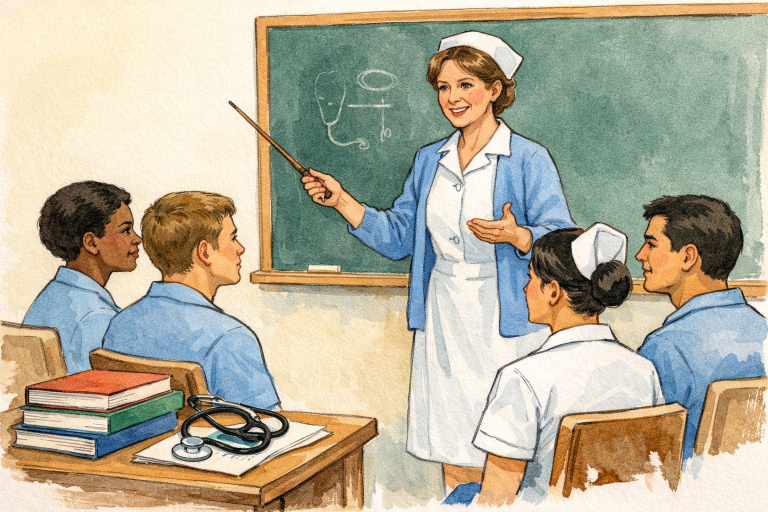
Nurse educators serve as the backbone of healthcare advancement by preparing, mentoring, and inspiring future nurses. Their impact goes far beyond the classroom, influencing clinical practice, healthcare policy, and the overall health system. Whether guiding students through complex patient scenarios or implementing cutting-edge technology in the curriculum, their leadership affects patient safety and nurse competency across the industry. For those searching for effective training models, this nursing preparation program Brooklyn NY provides a foundation for new and aspiring nurse educators.
Through evidence-based teaching practices and a commitment to health equity, nurse educators play an essential role in addressing critical challenges facing the profession. Their dedication shapes not only the lives of individual nurses but also the broader dynamics of healthcare delivery. As the demand for skilled nurses continues to rise, the importance of robust nurse education programs cannot be overstated.
Programs led by expert nurse educators focus on building a versatile workforce capable of thriving in traditional hospitals, community settings, and innovative care models. The ultimate goal is to cultivate nurses who are equipped to negotiate the current landscape while also advocating for patients and communities. The evolving healthcare system relies on these educators to ensure clinical excellence, adaptability, and compassionate care.
As we look ahead, the contribution of nurse educators will only grow in scope and significance. By drawing on strong partnerships, advancing inclusion, and embracing new technologies, they continue to drive positive change in nursing and health outcomes.
Addressing the Nursing Faculty Shortage
The United States is experiencing an unprecedented demand for nursing professionals, yet educational institutions struggle to meet this need due to a persistent shortage of qualified nurse educators. Recent data from the 2024-2025 academic cycle revealed that more than 80,000 qualified nursing applicants were denied entry into nursing programs. The root causes include faculty retirements, competitive salaries in clinical roles that outpace academic positions, and limited funding for educator development.
The consequences are far-reaching. When programs operate below capacity, the pipeline of new nurses cannot keep up with an aging population or the expanding scope of modern healthcare. Investments in nurse educator recruitment and continuing professional development are crucial. Policy interventions supporting loan forgiveness, scholarships, and mentorship programs are among the strategies identified by national organizations to mitigate this shortage.

Integrating Technology in Nursing Education
Modern healthcare hinges on technology, from complex data management systems to telemedicine platforms. Nurse educators are responsible for ensuring that nursing students gain proficiency in using electronic health records, simulation labs, telehealth tools, and mobile health apps. Advances in virtual reality and online simulation labs offer immersive experiences that help students sharpen clinical reasoning even before entering patient care settings.
Leading nursing schools have already made significant strides. The Yale School of Nursing has developed innovative models that integrate technology and health promotion, preparing students to use technology for both patient care and team collaboration. Emphasizing digital fluency allows future nurses to better address clinical challenges, improve workflow efficiency, and enhance patient experiences in technologically advanced medical environments.
Emphasizing Health Equity and Inclusion
The growing diversity of patient populations reinforces the need for nurse educators to champion health equity and inclusion in their teaching. By developing curricula that highlight cultural competence, social determinants of health, and antidiscriminatory practices, educators help future nurses provide equitable care. Programs such as the Health Equity Scholars Program are instrumental in crafting inclusive learning environments and equipping students to advocate for justice within healthcare.
Nurse educators use case-based scenarios, interprofessional education modules, and reflective practice exercises to bridge the gap between textbook knowledge and the realities of patient diversity. As a result, graduates are prepared to recognize disparities and implement strategies that improve access and outcomes for underserved groups.
Preparing Nurses for Remote and Hybrid Care Models
The rapid expansion of telehealth and hybrid healthcare delivery models since the COVID-19 pandemic has transformed the expectations for nursing graduates. Education programs now emphasize remote monitoring, virtual consultation, and digital patient communication to prepare nurses for flexible work environments. Nurse educators integrate telehealth simulation labs, technology troubleshooting, and ethical decision-making for virtual care.
By strengthening these skills, nurse educators ensure that new graduates are prepared to provide quality care whether working in traditional hospitals, outpatient clinics, or patients’ homes. This versatility is increasingly important as care continues to shift toward decentralized, technology-driven formats.
Developing Leadership and Advocacy Skills
Effective nurse educators prioritize cultivating leadership and advocacy skills alongside clinical competence. By fostering critical thinking, ethical judgment, and policy engagement, they empower future nurses to influence healthcare decisions and patient outcomes. Educators often encourage students to participate in leadership development programs, policy forums, and quality improvement projects as part of their education.
Strengthening these capacities ensures that nurses are not just caregivers but also change agents. Graduates are prepared to actively participate in shaping healthcare practices, lead initiatives to improve patient safety, and advocate for improvements in their workplaces and communities.
Collaborating with Healthcare Institutions
Partnerships between nursing schools and healthcare organizations are vital to effective nurse preparation. Collaborative efforts, such as those seen between the Yale School of Nursing and Yale New Haven Health System, provide students with enhanced clinical opportunities, real-world mentoring, and feedback-driven learning. These alliances also help keep curricula up to date in response to emerging healthcare trends and regulatory standards.
Students benefit from hands-on clinical experience, interdisciplinary teamwork, and exposure to innovation in patient care. At the same time, healthcare employers help shape the next generation of nurses to match their unique service demands, creating a workforce that transitions smoothly from education to independent practice.
Conclusion
Nurse educators are essential architects shaping tomorrow’s healthcare system. Their work preserves nursing program integrity, advances technological fluency, cultivates equity, fosters versatility, and builds influential leaders. As the healthcare landscape continues to evolve, continued support for and investment in nurse educators will be critical for meeting the health needs of diverse communities and improving patient care outcomes globally.