


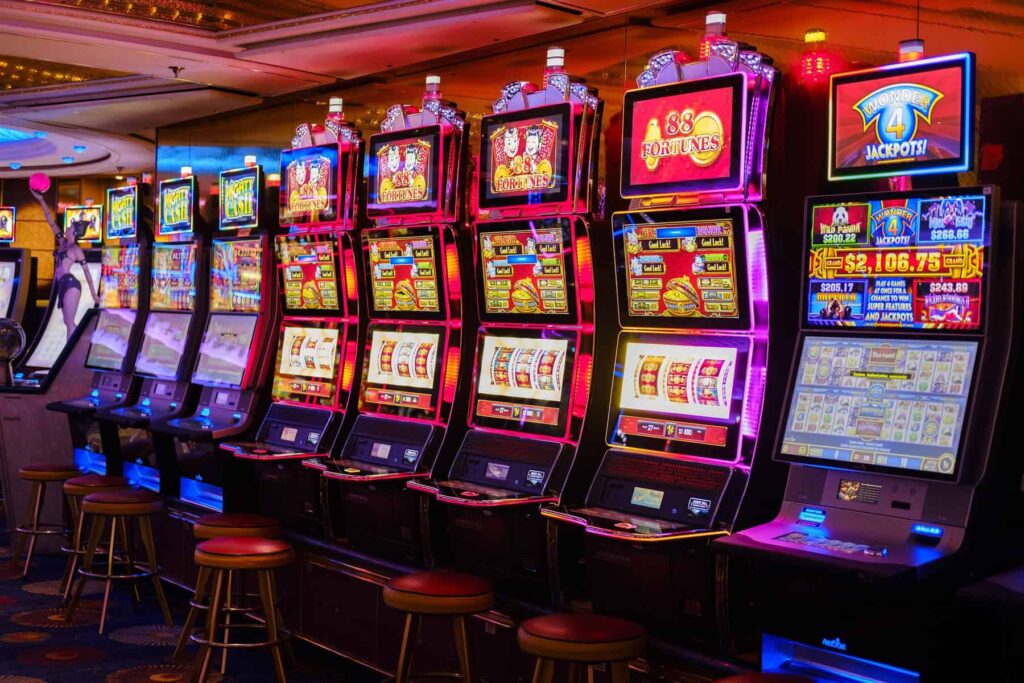
When it comes to online gambling, Norway is one of the most tightly regulated markets in the world. Unlike many European countries that have opened their markets to licensed private operators, Norway has stubbornly held on to its state monopoly — and in 2025, it doubled down on enforcement with the introduction of DNS blocking of foreign gambling websites.
For Norwegian players, this creates a paradoxical landscape. On one hand, the state provides a safe, responsible gambling environment through Norsk Tipping. On the other hand, many players are turning to international casinos in search of more variety, better odds and attractive bonuses. This article examines the complex world of “Casino Norge” — from the legal framework and enforcement measures to the most popular payment methods and responsible gambling tools that define the market.
The Legal Landscape: A European Anomaly
Norway is one of the last countries in Europe to maintain a full gambling monopoly. While most of Europe has moved to licensing systems that allow private operators to compete under strict regulation, Norway remains committed to its exclusive-rights model. The overarching goal of regulating the Norwegian gaming market is to prevent gaming problems and other negative consequences of gaming, as well as to ensure that gaming is conducted in a responsible and safe manner.
The legal framework is built on the Gaming Scheme Act of 2022, which generally prohibits the provision, marketing or distribution of any form of gambling activity without authorisation from the Norwegian Gaming and Foundation Authority. Only two companies are legally permitted to offer online gambling services in the country: Norsk Tipping and Norsk Rikstoto.
What makes the Norwegian situation unique is that while foreign operators cannot obtain a license, Norwegian residents are not prohibited from gambling on foreign websites. This legal grey area is at the heart of the ongoing tension between the government’s monopoly ambitions and the reality of player behaviour.
Norsk Tipping and Norsk Rikstoto – The State Monopolies
At the centre of Norway’s gambling market stand two state-owned giants:
Norsk Tipping
Norsk Tipping holds the exclusive right to offer online casino games, sports betting, lotteries and bingo in Norway. Its portfolio includes classic slot machines, blackjack, roulette, poker, live dealer games and popular lotteries such as Eurojackpot, Viking Lotto and Lotto. The company operates under strict government oversight, with the Ministry of Culture and Equality responsible for its governance.
Norsk Rikstoto
Norsk Rikstoto has the exclusive right to offer horse racing betting. Together, these two monopolies manage the entire legal gambling market in Norway.
Despite their privileged position, both operators have faced significant regulatory scrutiny. In 2025 alone, Norsk Tipping received multiple fines totalling over NOK 100 million for violations including a player mistakenly being paid NOK 25 million, drawing errors in Eurojackpot and Lotto, and failures in anti-money laundering systems. Norsk Rikstoto was also fined NOK 2 million for AML violations.
The number of gamblers using Norsk Tipping’s products surpassed two million in 2024, up 11% from 1.8 million in 2023. Turnover at the two monopolies, for games in competition with foreign operators, increased from NOK 2.6 billion in 2023 to NOK 3.1 billion in 2024.
DNS Blocking: Norway’s New Enforcement Tool
In 2025, the Norwegian Parliament implemented DNS blocking of illegal gambling websites as part of its efforts to safeguard players and uphold the country’s exclusive rights model. This technical measure redirects users who attempt to access blocked gambling websites to a page hosted by their internet service provider, informing them that the site is unavailable in Norway.
Which websites are blocked?
The Norwegian Gambling Authority assesses each website individually based on whether it actively targets the Norwegian market. Factors include:
- Availability of the Norwegian language
- Support for Norwegian currency (NOK)
- Customer service in Norwegian
- Marketing in Norwegian channels
- Use of Norwegian individuals in promotional materials
- Attempts to circumvent the payment transaction ban
Timeline of DNS blocking in 2025
- Autumn 2024: The Authority sent informational letters to nearly 50 companies, warning that around 100 of their websites could be subject to blocking.
- February 2025: Advance notifications were sent to ISPs regarding the potential blocking of nearly 70 websites.
- 24 March 2025: Formal decisions instructed internet providers to block 57 websites owned by 23 different companies.
- June 2025: Formal decisions blocked an additional 47 websites.
Several major gambling companies have already voluntarily withdrawn from the Norwegian market. According to the Gaming Authority, simply switching the website language to English is insufficient to avoid blocking.
Payment Methods for Norwegian Players
Despite the restrictions, Norwegian players have access to a wide range of secure payment methods. The most popular options include:
| Payment Method | Key Features |
|---|---|
| Vipps | The most popular mobile payment solution in Norway; offers fast, secure transfers; ideal for deposits and withdrawals |
| BankID | Secure direct bank transfers from online banking |
| Visa / Mastercard | Traditional card payments accepted at most casinos |
| Skrill / Neteller | E-wallets offering fast withdrawals and additional privacy |
| Cryptocurrencies | Increasingly popular for bypassing banking restrictions; Bitcoin, Monero and others used |
Vipps is particularly popular among Norwegian players as it is a safe and secure way to transfer money directly from a mobile phone to a casino account. E-wallets such as Skrill and Neteller also remain widely used, offering fast processing times ranging from instant to 24 hours depending on the method.
Cryptocurrencies have gained significant traction in Norway as traditional payment channels become more restricted. Bitcoin casinos operating from jurisdictions such as Curaçao and Malta offer Norwegian players a way to bypass banking blocks. Bitcoin transactions take place on a decentralised blockchain network independent of government oversight, allowing players to deposit and withdraw without interference from Norwegian banks.
Why Norwegian Players Choose International Casinos
Despite the government’s efforts to protect the monopoly, international online casinos are increasingly targeting Norwegian players. At first glance, this seems contradictory. Norway has one of the toughest regulatory frameworks in Europe, allowing only one state-run operator to offer legal online casino services.
Player demand for variety
Norwegian players have long expressed frustration at the lack of variety offered by the monopoly system. Norsk Tipping’s limited game selection and the complete absence of bonuses or competitive promotions make many players look elsewhere. For global casino brands, this makes Norway an unusually attractive market — large demand, low supply and players eager for alternatives.
A mature market with high spending power
Norway consistently ranks among the highest-income countries in Europe, and its citizens are accustomed to digital entertainment and online payments. Even with restrictions in place, the market remains financially appealing. Operators know that players will make the extra effort — using VPNs, alternative payments or cryptocurrency — to access their platforms.
The cryptocurrency boom
As Norway tightens traditional payment channels, many casinos have shifted to crypto-friendly models. Norwegian players have embraced cryptocurrency at a rate higher than many parts of Europe, partly due to the convenience and anonymity it offers. This makes Norway one of the most crypto-active iGaming markets, despite the local monopoly.
The result is a paradoxical situation: the more the government tightens the screws, the more international operators rush in to fill the gaps.
Responsible Gambling in Norway
Norway is widely regarded as having one of the most robust responsible gambling frameworks in the world. “Few or no national gambling markets in the world protect customers better against gambling problems than the Norwegian one,” according to the head of responsible gambling at Norsk Tipping.
Loss limits
Norway has implemented strict monthly loss limits:
- Age 18–20: Maximum NOK 2,000 per month
- Age 20–21: Maximum NOK 3,000 per month
- Age 22–24: Maximum NOK 5,000 per month
- Age 25+: Maximum NOK 20,000 per month
These limits were extended in 2025 to include adults up to the age of 24 after research found that one in five men aged 18–25 were at risk of gambling harm.
Banned features
Norway has rejected many of the features that target the brain’s reward systems — fast and chaotic games, greater odds, bigger payouts and higher risk. The country has also banned VIP schemes, loyalty programs and betting bonuses, all of which encourage more gambling.
Gambling harm rates
According to 2022 data, only 0.6% of the Norwegian population are considered problem gamblers — significantly lower than many other countries.
Market Outlook: What’s Next for Casino Norge?
The Norwegian gambling market in 2025 is defined by an escalating battle between the government and international operators. On one side, authorities continue to tighten restrictions through DNS blocking, payment controls and increased monitoring of marketing aimed at Norwegian players. On the other side, international casinos are becoming increasingly creative in their efforts to reach Norwegian players — and the offshore market is more active than ever.
Critics argue that maintaining an outdated monopoly may be producing the opposite effect — pushing players toward offshore casinos with little local oversight and encouraging operators to grow underground rather than cooperate. Countries like Denmark and Sweden once had monopolies but chose to move toward regulated licensing because the offshore market kept growing regardless.
Unless Norway dramatically changes its regulatory model, the trend is unlikely to slow down. Industry analysts predict more new brands entering the market and even more aggressive competition between offshore operators.
Conclusion
Norway stands as one of Europe’s last gambling monopolies — a model that prioritises player protection and responsible gambling over competition and consumer choice. With problem gambling rates among the lowest in Europe, the model has clear successes. However, the growing grey market of international casinos targeting Norwegian players suggests that the monopoly alone is no longer sufficient to channel all gambling activity through state-controlled channels.