


Key Takeaways
- Know your boat’s essential systems and safety gear.
- Regularly inspect engines, electrical, plumbing, and hull components.
- Maintain navigation tools and keep backup methods.
- Carry spare parts and tools for quick repairs.
- Routine upkeep ensures safety, reliability, and enjoyable trips.
Introduction
Boat ownership is a fulfilling pursuit that offers endless opportunities for adventure on the water. However, keeping your vessel safe, reliable, and performing optimally requires more than just a sense of wanderlust. A solid understanding of your boat’s essential parts is not just for peace of mind; it is a practical necessity. Whether you are preparing for a leisurely cruise or planning a full day of fishing, knowing how each component works together helps you avoid costly repairs and unforeseen emergencies. Key hardware, like marine hose clamps, small as they may seem, play a critical role in keeping your boat’s systems secure and leak-free.
For both novice and seasoned boaters, understanding essential marine parts and systems improves daily use and adds layers of safety. Regular attention to these parts protects your investment, ensures the safety of everyone onboard, and allows for smooth voyages.
Engine Components
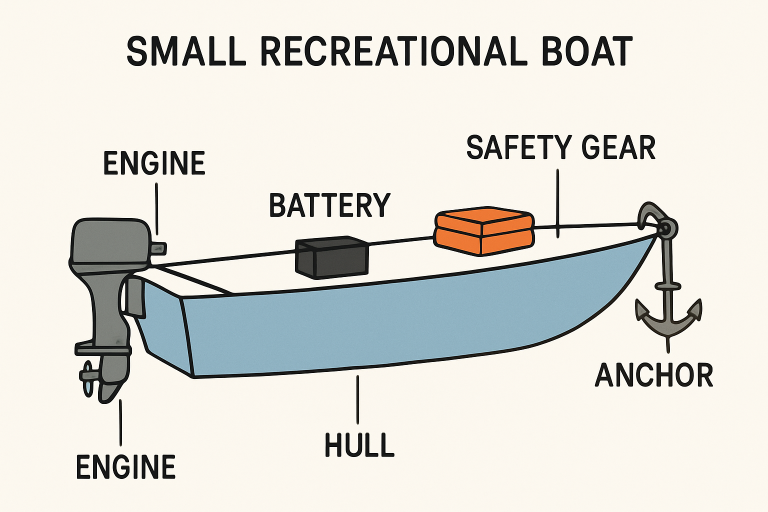
The engine is the powerhouse of your boat. Regular maintenance of its essential components, such as spark plugs, impellers, and fuel filters, is crucial for reliable performance. Carrying spare spark plugs is a simple yet effective way to avoid being left adrift in the event of an ignition failure. Additionally, water and debris can quickly foul a fuel system, making it important to replace fuel filters as recommended by your boat’s manufacturer. A well-maintained engine not only powers your adventures but can prevent serious and costly failures far from shore.
Electrical Systems
Your boat’s electrical system runs everything from navigation lights to critical communication tools and bilge pumps. Inspect wires routinely for corrosion, fraying, or other signs of wear that could compromise performance. Packing spare fuses and an extra battery is a smart way to address sudden electrical issues, keeping you prepared for anything. Remember, functioning electronics are not just convenient; they may be vital in low-visibility conditions or emergencies. Taking time to regularly clean terminals and test connections is a habit every boat owner should form.
Hull and Deck Hardware
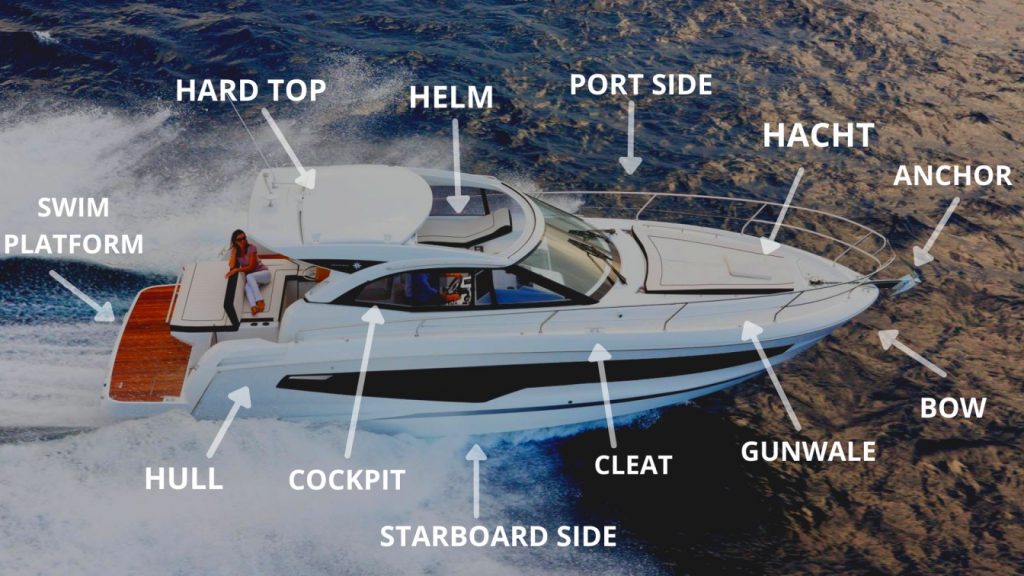
The hull and deck form your boat’s core structure. Routine inspections for cracks, blisters, or soft spots prevent issues from escalating into major repairs. Deck hardware, including cleats, winches, and hatches, requires attention to ensure safe docking and smooth operation. Bolts and seals should be tight and corrosion-free. Even small mechanical failures or leaks can quickly compound, affecting your boat’s safety and reliability.
Safety Equipment
Safety is paramount. Life jackets, fire extinguishers, and visual and sound signaling devices are must-haves and should be in good working order and accessible in all weather conditions. Check and replenish your first aid kit supplies regularly, and always ensure safety equipment complies with local regulations. Well-maintained safety equipment can make all the difference in urgent situations.

Navigation Tools
Navigation is more than knowing your destination; it’s about having the right tools to get there safely. Primary devices include GPS units, compasses, and marine radios. Routine testing of these tools guarantees they will be ready when you need them most. Redundancy is also important, so carry backup navigation methods and remain familiar with manual techniques, such as chart reading and dead reckoning, in case electronics fail. A dependable navigation setup will help you stay oriented, avoid hazards, and keep your trips on track.
Plumbing and Bilge Systems
The plumbing and bilge systems manage waste and water, playing a crucial role in keeping the boat dry and functioning. Regularly inspect hoses, pumps, and seacocks for wear or leaks, and use high-quality hose clamps to secure connections. Carrying extra hoses and clamps can enable quick repairs when needed most. Preventing water intrusion will not only safeguard your boat’s integrity but also prevent future mechanical and electrical problems caused by moisture.
Anchoring and Docking Equipment
Effective anchoring and docking gear, such as anchors, lines, and fenders, helps secure your vessel safely in all conditions. Ensuring these items are in good shape and appropriate for your environment helps avoid drifting or damage from collisions. Always check lines for chafing and inspect anchor connections before heading out, especially in rough or unfamiliar waters.
Maintenance Tools and Spare Parts
A comprehensive onboard toolkit should include wrenches, screwdrivers, pliers, and a selection of screws, nuts, and bolts. Additionally, having spare engine belts, hoses, and impellers can keep a minor issue from spoiling your entire outing. Diligence in routine care, along with readiness to address unforeseen breakdowns, is part of being a responsible boat owner.
Final Thoughts
Boating is both a pleasure and a responsibility. Mastering the fundamentals of marine parts, from engine components to safety gear, enables you to enjoy your time on the water without interruption. Regular inspection, maintenance, and carrying necessary spares improve not only your vessel’s lifespan but also the safety and enjoyment for you and your crew. Stay equipped, stay informed, and your boating adventures will be smooth and memorable.