Connect with us

News

Tehran fuel dumps burn as Iran warns it can fight for months

Published

on

Tehran fuel dumps burn as Iran warns it can fight for months

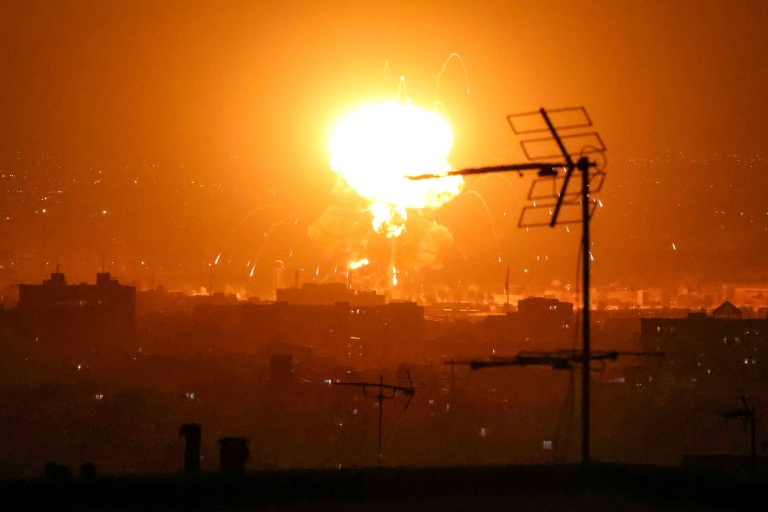
Tehran – The Iranian capital awoke to a choking haze of toxic smoke on Sunday after Israeliairstrikes targeted major fuel storage facilities, triggering massive fires and prompting urgent health warnings from officials. The attack marks a significant escalation in the ongoing conflict, with Tehran vowing retaliation and warning it is prepared to fight for months.

Inferno in the Capital

Large explosions rocked Tehran and the neighbouring Alborz province late on Saturday, with verified videos showing huge balls of fire and thick columns of black smoke rising into the night sky . The Israeli military confirmed it struck approximately 30 fuel depots across Iran, describing the operation as a “significant strike” aimed at dismantling military infrastructure used by Iran’s armed forces .

Iran’s National Iranian Oil Refining and Distribution Company reported that multiple oil depots in Tehran and Alborz provinces were hit by missiles and caught fire, with firefighting teams working to contain the blazes . The semi-official Tasnim news agency reported that six people were killed and 21 others injured in an attack on one storage facility in Alborz province .

This weekend’s strikes represent the first major assault on Iran’s energy infrastructure since the United States and Israel launched joint attacks on February 28, which killed Supreme Leader Ayatollah Ali Khamenei and more than 1,200 others .

Environmental and Health Crisis

The aftermath of the strikes has created a public health emergency in the capital. Residents reported a disturbing phenomenon on Sunday morning, with a CNN correspondent in Tehran describing it as “raining oil” as residue from burning fuel depots mixed with precipitation .

The Iranian Red Crescent Society issued an urgent warning for residents to remain indoors due to the risk of lung and skin diseases from acid rain and toxic vapours produced by burning fuel and chemicals . According to Iranian state media, pollutants have already entered Tehran’s urban areas, with officials warning that toxic compounds from the burning oil depots could generate dangerous acid rain if precipitation continues .

Iranian Foreign Ministry spokesman Esmaeil Baghaei condemned the strikes as “war crimes and crimes against humanity,” alleging that by targeting fuel depots, the aggressors were “releasing hazardous materials and toxic substances into the air, poisoning civilians, devastating the environment, and endangering lives on a massive scale” .

Iran’s Warning: Ready for a Long Fight

Amid the devastation, Iranian military officials have issued stark warnings about their capacity and intent to sustain a prolonged conflict. The Islamic Revolutionary Guard Corps (IRGC) has declared that the country is prepared to fight a “long war” and may deploy advanced weapons systems that have never been used before in the current conflict .

Major General Ali Mohammad Naeini, an IRGC spokesman, stated that Iran is fully prepared for what it described as a “long war” and is ready to introduce new advanced weapons systems. “These technologies have not yet been widely used,” Naeini said, adding that Iran’s enemies could face intense attacks in the next wave of military operations .

The IRGC also confirmed it had launched retaliatory strikes against Israeli infrastructure, claiming responsibility for attacking a refinery in Israel’s Haifa using Kheibarshekan missiles in response to the strikes on Iranian energy facilities .

Regional Retaliation Threats

Perhaps most alarmingly for global markets, Iran has threatened to expand the conflict to regional energy infrastructure if attacks on its own facilities continue. Ebrahim Zolfaghari, spokesman for Iran’s Khatam al-Anbiya Central Headquarters, warned Muslim states in the region to prevent US and Israeli attacks on Iranian fuel and energy facilities, cautioning that Tehran would respond with similar actions if strikes persist .

“Otherwise, similar actions will be taken in the region,” Zolfaghari said. “If you can tolerate oil prices above $200 per barrel, keep playing this game” . A similar warning came from another Iranian military spokesperson, who noted that Iran has so far avoided targeting regional energy infrastructure but cautioned that if it does so, global oil prices could surge dramatically .

US Concerns and Political Fallout

The scale of Saturday’s strikes has reportedly caught Washington off guard and created rare friction between the United States and Israel. According to US news outlet Axios, American officials were surprised by the breadth of the attacks, which exceeded what they expected after Israel notified Washington ahead of the operation .

“The president doesn’t like the attack on the oil facilities. He wants to save the oil, not burn it. And it reminds people of higher gas prices,” said an adviser to President Donald Trump . A senior US official added, “We don’t think it was a good idea” .

Washington’s concerns appear rooted in both political and strategic calculations. With gasoline prices rising more than 14 percent in the past week across the United States, the White House faces potential domestic political fallout . Officials also fear that attacking infrastructure serving ordinary Iranians could backfire by strengthening public support for the Iranian leadership .

Humanitarian Toll

The human cost of the escalating conflict continues to mount. Since fighting intensified on February 28, Iranian officials report that 1,205 civilians have been killed, including 194 children . Residents described living in a climate of fear as airstrikes continue and internet services are intermittently cut.

“It’s very scary. Day and night, eating and sleeping — it’s all over the place,” one unnamed resident of western Tehran told reporters . Another resident in central Tehran expressed uncertainty about the future while noting that basic services were still functioning: “God knows what will happen to us. We still have water, electricity and food” .

Regional Spillover

The conflict has already begun to spread beyond direct strikes between Iran and Israel. Iran has reportedly attacked infrastructure in Gulf Arab states, including a desalination plant in Bahrain, raising concerns about broader regional destabilisation . Shipping through the Strait of Hormuz has been disrupted, affecting oil exports from Saudi Arabia, the UAE, Qatar, Iraq, and Kuwait .

European nations are also feeling the impact, with natural gas prices surging approximately 70 percent since the conflict escalated . Analysts warn that if hostilities continue, energy supplies could be further disrupted, driving prices higher and potentially triggering another energy crisis for Europe .

What Comes Next

As thick smoke continues to rise over Tehran and residents grapple with environmental hazards, the region stands at a precarious crossroads. Iran has demonstrated both its vulnerability to precision strikes on energy infrastructure and its willingness to threaten asymmetric retaliation across the region.

With Tehran warning it can fight for months and potentially introduce new weapons systems, and with Washington showing discomfort with the scope of Israeli operations, the coming days may prove critical in determining whether this conflict expands further or whether diplomatic offensives can gain traction.


Continue Reading
Click to comment

Leave a Reply

Your email address will not be published. Required fields are marked *

News

How Message Center Signs Are Revolutionizing Communication Across Industries

Published

on

By

Key Takeaways

  • Message center signs enhance real-time communication in various settings.
  • They improve safety, engagement, and information dissemination.
  • Integration with digital platforms allows for dynamic content updates.

Table of Contents

  1. Introduction
  2. Enhancing Safety and Emergency Communication
  3. Boosting Engagement and Information Dissemination
  4. Integration with Digital Platforms
  5. Applications in Educational Institutions
  6. Impact on Customer Experience in Retail
  7. Future Trends in Message Center Signs
  8. Conclusion

Introduction

Efficient and reliable communication is more essential today than ever. As organizations and communities seek to reach wider audiences instantly, digital message center signs have become fundamental tools. These electronic displays deliver real-time information, alerts, and announcements, helping businesses, schools, and public facilities connect with people quickly and effectively. For those seeking robust communication solutions, exploring a message center sign in Portland, OR can be an impactful first step in transforming how they share information.

Whether for ensuring public safety or boosting customer engagement, message center signs provide unmatched flexibility compared to traditional signage. Their dynamic digital capabilities enable organizations to present up-to-date content tailored for specific audiences or situations. As technology advances, digital signage continues to set new standards for clarity, visibility, and responsiveness.

These signs excel in both indoor and outdoor environments, making them invaluable assets for everything from traffic updates on highways to emergency alerts in schools. The growing adoption of message center signs illustrates their importance in today’s communication strategies, seamlessly merging technology with the need for reliable, rapid outreach. Emphasizing their role in safety, engagement, and operational efficiency, message center signs reflect a broader trend towards digital transformation across public and private sectors. The ability to update content in seconds means critical updates, event notices, or even promotional content can be broadcast instantly, ensuring audiences are always informed.

Enhancing Safety and Emergency Communication

The safety of people in public settings, workplaces, and educational institutions relies on fast, clear communication during emergencies. Digital message center signs offer a powerful solution by integrating with emergency alert systems to broadcast warnings, evacuation routes, or shelter-in-place instructions instantly. Schools, for example, have adopted these signs as a primary method for distributing safety messages. Message center signs help reduce response times in crises, ensuring that everyone receives the same critical information simultaneously. In addition to public safety, these signs provide traffic and construction updates for commuters, minimizing risk near hazardous zones by keeping motorists alert and informed.

Boosting Engagement and Information Dissemination

Message center signs are more than emergency tools. Their greatest advantage lies in the ability to share vivid, dynamic content that captures attention far better than static displays. Institutions use these signs to announce upcoming events, share schedules, or highlight achievements, creating a sense of community and shared engagement. Research from the Harvard Business Review suggests that visual communication tools increase engagement and retention, supporting this trend toward digital signage. In corporate environments, digital message centers are used to disseminate policy updates, meeting reminders, and other important messages, ensuring that even remote or mobile employees remain in the loop. Retailers have harnessed this technology to promote daily deals and interactive content, using visual appeal and personalization to drive customer interaction and sales.

Integration with Digital Platforms

Modern message center signs are designed to work hand in hand with cloud-based control systems and integrated software platforms. This approach empowers organizations to manage content remotely, schedule messages in advance, and push simultaneous updates to multiple locations. For chain retailers or large campuses, centralized content management ensures uniform messaging and reduces the risk of outdated information being displayed. The shift toward managing digital signs via web-based dashboards or mobile apps reflects the broader trend of digital convergence across many industries. No longer static or siloed, communication is delivered in sync with digital strategies, enhancing responsiveness and streamlining operations.

Applications in Educational Institutions

Schools, colleges, and universities have been leaders in adopting message center technology for campus communication. Administrators can use these systems to alert students and staff to schedule changes, weather-related closures, and emergency procedures, all in real time. In addition to safety messaging, these displays are used to celebrate student accomplishments, promote campus events, and provide directory information to visitors, supporting a vibrant, connected campus life.

Impact on Customer Experience in Retail

Retailers recognize that customer attention is a valuable commodity. Message center signs enable stores to showcase targeted promotions, direct shopper flow during peak hours, and highlight loyalty offers. The flexibility to adapt messages based on time, events, or weather conditions creates personalized experiences that drive purchase decisions.

Future Trends in Message Center Signs

Looking to the future, ongoing advancements in display technology, connectivity, and interoperability are transforming what is possible for message center signs. Artificial intelligence is being employed to analyze audience patterns and deliver relevant content at optimal times. Integration with mobile devices and social media networks is creating increasingly interactive experiences, as signs draw on real-time user feedback and preferences to refine their messaging. Sustainability also plays a growing role, with energy-efficient LED designs and automated brightness controls helping organizations reduce costs while delivering powerful communication. The journey of digital messaging is only accelerating, shaping a future where every message can be precisely timed, highly visible, and deeply engaging.

Conclusion

Message center signs represent a leap forward in communication technology for organizations of all sizes. Their versatility in delivering real-time, targeted content boosts public safety, enhances engagement, and drives operational efficiency. As these systems integrate more closely with digital platforms and data-driven strategies, they will remain at the forefront of modern communication, helping businesses, schools, and communities connect in smarter, more impactful ways.

Continue Reading

News

Понуде: A Complete Guide to Finding the Best Deals and Offers

Published

on

By

Понуде: A Complete Guide to Finding the Best Deals and Offers

Introduction Понуде

In today’s fast-paced digital world, Понуде everyone loves a good deal. Whether shopping online, booking travel, purchasing electronics, or subscribing to services, people constantly search for ways to save money. This is where понуде come into play. The word “понуде” translates to offers, deals, or promotions, and it represents opportunities for consumers to obtain products or services at reduced prices or with added benefits.

From seasonal discounts to exclusive online promotions, понуде have become an essential part of modern commerce. Businesses use them to attract customers, while shoppers use them to maximize value and stretch their budgets further.

This guide explores everything you need to know about понуде, including their types, benefits, how to find the best offers, and tips for avoiding common pitfalls.

What Are Понуде?

Понуде are special incentives provided by businesses to encourage purchases. These can include:

  • Price discounts
  • Buy-one-get-one-free promotions
  • Limited-time offers
  • Cashback rewards
  • Coupon codes
  • Loyalty program rewards
  • Bundle deals

The primary goal of these offers is to create value for customers while increasing sales for businesses.

Why Are Понуде Important?

For Consumers

Consumers benefit from понуде because they:

  • Save money
  • Provide access to premium products at lower costs
  • Encourage smart shopping
  • Offer additional perks and rewards

For Businesses

Businesses use offers to:

  • Increase sales
  • Attract new customers
  • Retain existing customers
  • Promote new products
  • Clear inventory

This creates a win-win situation where both parties benefit.

Types of Понуде

1. Discount Offers

Discount offers are the most common type of promotion. Businesses reduce the original price by a specific percentage or amount.

Examples include:

  • 10% off
  • 25% discount
  • Save $50 on purchases over $500

2. Seasonal Promotions

These offers occur during special periods such as:

  • Summer sales
  • Winter promotions
  • Black Friday
  • Cyber Monday
  • Holiday sales

Seasonal promotions often provide some of the largest discounts available throughout the year.

3. Flash Sales

Flash sales are short-term promotions designed to create urgency.

Characteristics include:

  • Limited duration
  • Limited stock
  • Significant discounts

Customers often act quickly to avoid missing out.

4. Cashback Offers

Cashback promotions return a percentage of the purchase price to customers.

Benefits include:

  • Future savings
  • Additional purchasing power
  • Increased customer loyalty

5. Bundle Deals

Bundle deals combine multiple products or services at a lower price than buying them separately.

For example:

  • Smartphone plus accessories package
  • Software suite bundles
  • Family travel packages

6. Loyalty Program Offers

Businesses reward repeat customers through loyalty programs.

Rewards may include:

  • Points
  • Exclusive discounts
  • Free products
  • Early access to sales

How to Find the Best Понуде

Compare Prices

Before making a purchase, compare prices across multiple sellers.

This helps identify:

  • Genuine discounts
  • Competitive pricing
  • Better alternatives

Subscribe to Newsletters

Many companies provide exclusive offers to subscribers.

Benefits include:

  • Early access to promotions
  • Special discount codes
  • Personalized recommendations

Use Coupon Websites

Coupon websites aggregate promotional codes and discounts from various retailers.

These platforms can help shoppers save additional money during checkout.

Follow Brands on Social Media

Businesses often announce limited-time offers through social media channels.

Following favorite brands can provide:

  • Instant notifications
  • Exclusive promotions
  • Giveaway opportunities

Shop During Major Sales Events

Some of the best понуде appear during major shopping events such as:

  • Black Friday
  • Cyber Monday
  • New Year sales
  • End-of-season clearance events

Advantages of Using Понуде

Financial Savings

The most obvious benefit is reduced spending.

Better Value

Offers allow consumers to obtain more products or services for the same budget.

Access to Premium Products

Discounts often make premium brands more affordable.

Opportunity to Try New Products

Promotions encourage customers to experiment with products they might not otherwise purchase.

Common Mistakes to Avoid

Buying Unnecessary Items

A discount is only valuable if the product is actually needed.

Ignoring Terms and Conditions

Always read the fine print to understand:

  • Expiration dates
  • Eligibility requirements
  • Usage restrictions

Falling for Fake Discounts

Some retailers artificially inflate prices before applying discounts.

Always compare the original price with market rates.

Missing Expiration Dates

Many promotions are time-sensitive. Delaying a purchase may result in losing the offer.

The Role of Technology in Modern Понуде

Technology has transformed how offers are delivered and redeemed.

Popular technologies include:

  • Mobile apps
  • Digital coupons
  • Personalized recommendations
  • Artificial intelligence
  • Email marketing automation

These innovations help businesses provide more relevant and effective promotions.

Future Trends in Понуде

The future of offers is expected to include:

Personalized Promotions

AI-driven systems will create customized deals based on shopping behavior.

Real-Time Discounts

Prices may adjust dynamically depending on demand and inventory.

Mobile-First Offers

More promotions will be optimized for smartphones and mobile applications.

Enhanced Loyalty Programs

Businesses will continue improving customer rewards through advanced loyalty systems.

Tips for Maximizing Savings

To get the most from понуде:

  1. Set a shopping budget.
  2. Compare prices before buying.
  3. Use coupon codes whenever available.
  4. Join loyalty programs.
  5. Track major sales events.
  6. Avoid impulse purchases.
  7. Read all promotional details carefully.

Conclusion

Понуде play a vital role in modern shopping by helping consumers save money while allowing businesses to attract and retain customers. From discounts and cashback rewards to seasonal promotions and loyalty programs, offers create valuable opportunities for both buyers and sellers.

By understanding how different types of понуде work and applying smart shopping strategies, consumers can maximize their savings and make more informed purchasing decisions. As technology continues to evolve, offers will become even more personalized, convenient, and beneficial, making them an essential component of the future retail landscape.

Frequently Asked Questions (FAQs)

What does “понуде” mean?

Понуде is a Serbian term that translates to offers, deals, promotions, or special discounts.

Where can I find the best понуде?

You can find them through online stores, newsletters, coupon websites, mobile apps, and major sales events.

Are all offers worth taking?

No. An offer is only valuable if it provides genuine savings on something you actually need.

What is the difference between a discount and cashback offer?

A discount reduces the purchase price immediately, while cashback returns part of the money after the purchase.

How can I avoid fake promotions?

Compare prices across multiple retailers and check historical pricing whenever possible.

Do loyalty programs provide good offers?

Yes. Many loyalty programs offer exclusive discounts, rewards points, and special member-only promotions.

Continue Reading

News

The Fascinating History of Peitner

Published

on

By

Peitner

Names often carry stories that connect generations, cultures, and historical traditions. One such intriguing name is Peitner. Although not widely discussed in mainstream historical texts, Peitner appears to have deep roots in European heritage and reflects the complex evolution of family names across centuries. Exploring the history of Peitner reveals insights into migration, regional identity, and the development of surnames in Europe.

Origins of the Name Peitner

The surname Peitner is believed to have Germanic origins, likely emerging from regions influenced by the German language and culture. Many surnames in Central Europe developed from professions, geographic locations, or personal characteristics. Peitner may have evolved from a regional dialect or occupational reference used to identify individuals within local communities.

Historically, surnames became more common in Europe during the Middle Ages when growing populations made it necessary to distinguish between people with similar first names. Families began adopting permanent last names that were passed down through generations.

Geographic Roots in Central Europe

The Peitner name is most commonly associated with parts of Central Europe, particularly areas historically connected to German-speaking populations. Regions such as Austria, Germany, and northern Italy have historically shared cultural and linguistic influences that shaped surnames like Peitner.

In mountainous regions such as South Tyrol in northern Italy, for example, many families carry Germanic surnames due to centuries of historical connections with Austrian and German territories.

Possible Meaning Behind the Name

Although the exact meaning of Peitner is not universally documented, linguistic analysis suggests it may be connected to:

  • Regional place names where early families lived
  • Occupational roles tied to farming or local trades
  • Personal identifiers related to family lineage or characteristics

Many European surnames developed through slight spelling variations over time, especially as languages evolved and communities migrated.

Historical Migration and Spread

Like many European surnames, the Peitner name likely spread through migration. During the 18th, 19th, and early 20th centuries, large numbers of Europeans moved across continents in search of economic opportunities and new lives.

Families with the Peitner surname may have migrated to countries such as:

  • United States
  • Canada
  • Australia

These migrations helped spread the name beyond its original European roots, creating new branches of the family across the world.

Cultural Identity and Family Heritage

For many families, a surname like Peitner represents more than just a name—it reflects a shared heritage and identity. Family names preserve connections to ancestors, historical regions, and cultural traditions.

Genealogy enthusiasts often explore surnames to trace their family histories. Studying records such as birth certificates, immigration documents, and church archives can help uncover the journeys of families carrying the Peitner name.

Modern Presence of the Peitner Name

Today, the Peitner surname can still be found in several parts of Europe and in communities around the world. Advances in genealogy databases and DNA ancestry testing have made it easier for individuals to trace their lineage and connect with distant relatives.

Online platforms now allow people with shared surnames to discover family connections that may have been separated for generations.

The Importance of Preserving Family History

Understanding the history of surnames like Peitner helps preserve cultural heritage. By researching family names, people can gain valuable insight into historical migrations, social structures, and cultural traditions that shaped their ancestors’ lives.

Documenting these stories ensures that future generations remain connected to their roots.

Conclusion

The history of Peitner offers a fascinating glimpse into the evolution of European surnames and the movement of families across continents. With likely roots in Central Europe and connections to Germanic linguistic traditions, the name reflects centuries of cultural exchange and migration. While its precise origins may still invite further research, the story of Peitner highlights how surnames serve as living links between past and present, carrying the legacy of families through time.

FAQs

1. What is the origin of the surname Peitner?
Peitner is believed to have Germanic origins and is commonly associated with regions in Central Europe.

2. In which countries is the Peitner name found?
The surname has historical connections to Austria, Germany, and northern Italy, with descendants also living in countries like United States and Canada.

3. What does the name Peitner mean?
Its exact meaning is uncertain, but it may relate to geographic locations, occupations, or family lineage.

4. How can someone research the Peitner family history?
Genealogical records, historical archives, and ancestry databases can help individuals trace their Peitner lineage.

5. Why are surnames like Peitner important historically?
Surnames preserve family heritage and provide insight into migration patterns, cultural traditions, and historical identities.

Continue Reading

Trending