


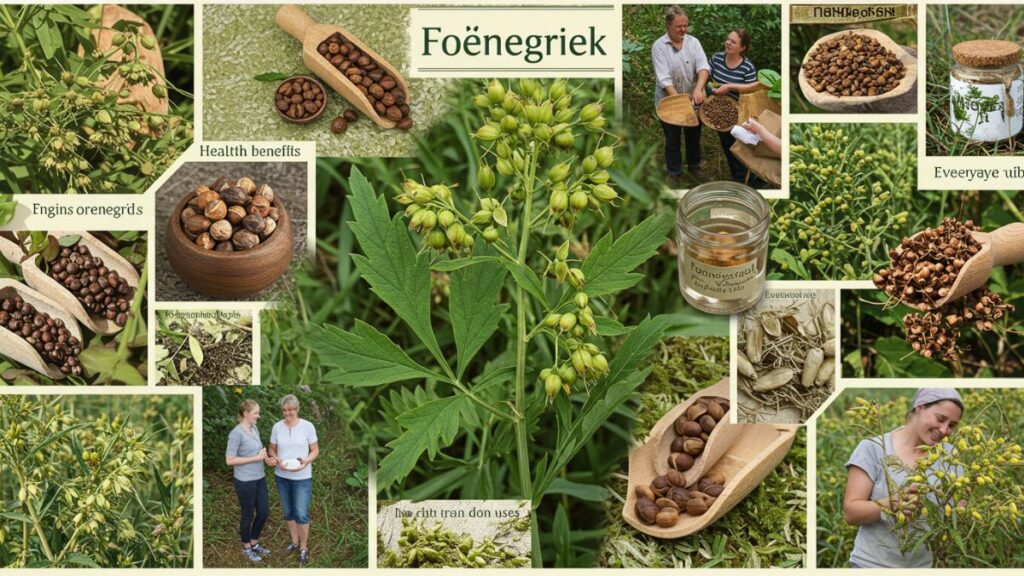
: The term “foenegriek” is a common misspelling of fenugreek (Trigonella foenum-graecum), an aromatic plant prized for millennia in cooking and traditional medicine. This article uses the requested spelling while exploring the herb’s true identity.
What Is Foenegriek?
Foenegriek (properly fenugreek) is an annual herb in the Fabaceae (legume) family, native to the Mediterranean, Western Asia, and Southern Europe. Its small, golden‑brown seeds and fresh leaves have been used for over 6,000 years – ancient Egyptians included it in embalming rituals, while Romans and Greeks valued it as cattle fodder (its Latin name foenum‑graecum literally means “Greek hay”).
The plant grows to about 60 cm (2 ft) tall, with trifoliate leaves, white‑yellow flowers, and long, slender pods containing 10–20 seeds. Both seeds and leaves are edible, but they offer very different flavours and uses.
Culinary Uses: A Taste of Maple and Spice
Foenegriek seeds have a distinctive bittersweet, nutty flavour with an intense maple‑syrup note – a compound called sotolone is responsible. When roasted, the bitterness fades and the sweetness intensifies, making the seeds a staple in:
- Curry powders – an essential component of Indian methi blends.
- Ethiopian berbere and Turkish çemen (a paste used on pastirma).
- Pickles, chutneys and stews – whole or ground seeds add depth.
- Imitation maple syrup – extracts are sometimes used in commercial syrups.
Fresh foenegriek leaves (called methi in Hindi) are milder, with a slight bitterness reminiscent of spinach or celery. They are cooked as a vegetable, added to dough for flatbreads (e.g., methi thepla), or dried as kasuri methi – a finishing herb sprinkled over curries and butter chicken.
Medicinal Benefits: What Science Says
Traditional medicine systems – Ayurveda, Traditional Chinese Medicine, and Unani – have long used foenegriek for digestive and reproductive health. Modern research has investigated several claims:
1. Blood Sugar Control
Several studies show that foenegriek seeds (especially the soluble fibre and amino acid 4‑hydroxyisoleucine) can improve insulin sensitivity and lower post‑meal blood glucose. A meta‑analysis of 10 trials found a modest but significant reduction in fasting blood sugar for people with type 2 diabetes.
2. Milk Production in Breastfeeding Mothers
Foenegreek is one of the most popular galactagogues (substances that boost breast milk). While evidence is mixed, some randomised trials report increased milk volume within 24–72 hours. It is generally regarded as safe when used short‑term.
3. Testosterone and Libido
Small human trials suggest foenegriek extract may raise total testosterone and improve libido in men, though effects are modest. It is often included in sports supplements, but more research is needed.
4. Digestive Health
The mucilaginous fibre soothes the gut lining and acts as a mild laxative. It is a traditional remedy for heartburn and loss of appetite.
5. Anti‑inflammatory Effects
Compounds like trigonelline and diosgenin have shown antioxidant and anti‑inflammatory activity in laboratory and animal studies, though human data are lacking.
How to Use Foenegriek
- Seeds: Soak 1–2 teaspoons overnight in water – the gel‑like coating can be eaten directly or added to dough. Dry‑roast until fragrant before grinding to reduce bitterness.
- Powder: Start with ½ teaspoon daily, mixed into yogurt, soup, or a smoothie.
- Leaves: Fresh leaves can be sautéed like spinach. Dried kasuri methi is crumbled over finished dishes (heat destroys its aroma).
- Supplements: Capsules or extracts are available; follow product instructions (typical dose: 500–1000 mg per day).
Safety and Side Effects
Foenegreek is “generally recognised as safe” (GRAS) by the FDA when used as a spice. However, watch for:
- Allergic reactions – especially if allergic to chickpeas, peanuts or soy (all legumes).
- Hypoglycemia – when combined with diabetes medication, monitor blood sugar.
- Gastrointestinal issues – diarrhoea, gas, or bloating may occur with high doses.
- Pregnancy – large medicinal doses may stimulate uterine contractions; culinary amounts are likely safe, but consult a doctor.
- Maple‑syrup odour – sweat, urine and breast milk can take on a sweet, maple‑like smell (harmless but surprising).
Growing Your Own Foenegriek
Foenegriek is an easy, fast‑growing plant suitable for containers or garden beds.
- Sowing: Directly after last frost, 1 cm deep, spacing 10 cm apart.
- Soil: Well‑drained, neutral pH.
- Sun: Full sun to partial shade.
- Harvest leaves in 3–4 weeks; seeds mature in 3–5 months when pods turn yellow‑brown.
Final Thoughts
Whether you know it as foenegriek, fenugreek, methi, or helba, this humble herb packs a punch – both in the kitchen and the medicine cabinet. Its unique maple‑like aroma, coupled with emerging evidence for blood sugar and lactation support, makes it a valuable addition to a balanced diet. As always, talk to a healthcare provider before using it therapeutically, and enjoy its flavour in moderation as part of a diverse, whole‑food lifestyle.