Connect with us

Lifestyle

The Wonders of Foenegriek: A Comprehensive Guide to This Ancient Herb

Published

on

The Wonders of Foenegriek: A Comprehensive Guide to This Ancient Herb

: The term “foenegriek” is a common misspelling of fenugreek (Trigonella foenum-graecum), an aromatic plant prized for millennia in cooking and traditional medicine. This article uses the requested spelling while exploring the herb’s true identity.


What Is Foenegriek?

Foenegriek (properly fenugreek) is an annual herb in the Fabaceae (legume) family, native to the Mediterranean, Western Asia, and Southern Europe. Its small, golden‑brown seeds and fresh leaves have been used for over 6,000 years – ancient Egyptians included it in embalming rituals, while Romans and Greeks valued it as cattle fodder (its Latin name foenum‑graecum literally means “Greek hay”).

The plant grows to about 60 cm (2 ft) tall, with trifoliate leaves, white‑yellow flowers, and long, slender pods containing 10–20 seeds. Both seeds and leaves are edible, but they offer very different flavours and uses.

Culinary Uses: A Taste of Maple and Spice

Foenegriek seeds have a distinctive bittersweet, nutty flavour with an intense maple‑syrup note – a compound called sotolone is responsible. When roasted, the bitterness fades and the sweetness intensifies, making the seeds a staple in:

  • Curry powders – an essential component of Indian methi blends.
  • Ethiopian berbere and Turkish çemen (a paste used on pastirma).
  • Pickles, chutneys and stews – whole or ground seeds add depth.
  • Imitation maple syrup – extracts are sometimes used in commercial syrups.

Fresh foenegriek leaves (called methi in Hindi) are milder, with a slight bitterness reminiscent of spinach or celery. They are cooked as a vegetable, added to dough for flatbreads (e.g., methi thepla), or dried as kasuri methi – a finishing herb sprinkled over curries and butter chicken.

Medicinal Benefits: What Science Says

Traditional medicine systems – Ayurveda, Traditional Chinese Medicine, and Unani – have long used foenegriek for digestive and reproductive health. Modern research has investigated several claims:

1. Blood Sugar Control

Several studies show that foenegriek seeds (especially the soluble fibre and amino acid 4‑hydroxyisoleucine) can improve insulin sensitivity and lower post‑meal blood glucose. A meta‑analysis of 10 trials found a modest but significant reduction in fasting blood sugar for people with type 2 diabetes.

2. Milk Production in Breastfeeding Mothers

Foenegreek is one of the most popular galactagogues (substances that boost breast milk). While evidence is mixed, some randomised trials report increased milk volume within 24–72 hours. It is generally regarded as safe when used short‑term.

3. Testosterone and Libido

Small human trials suggest foenegriek extract may raise total testosterone and improve libido in men, though effects are modest. It is often included in sports supplements, but more research is needed.

4. Digestive Health

The mucilaginous fibre soothes the gut lining and acts as a mild laxative. It is a traditional remedy for heartburn and loss of appetite.

5. Anti‑inflammatory Effects

Compounds like trigonelline and diosgenin have shown antioxidant and anti‑inflammatory activity in laboratory and animal studies, though human data are lacking.

How to Use Foenegriek

  • Seeds: Soak 1–2 teaspoons overnight in water – the gel‑like coating can be eaten directly or added to dough. Dry‑roast until fragrant before grinding to reduce bitterness.
  • Powder: Start with ½ teaspoon daily, mixed into yogurt, soup, or a smoothie.
  • Leaves: Fresh leaves can be sautéed like spinach. Dried kasuri methi is crumbled over finished dishes (heat destroys its aroma).
  • Supplements: Capsules or extracts are available; follow product instructions (typical dose: 500–1000 mg per day).

Safety and Side Effects

Foenegreek is “generally recognised as safe” (GRAS) by the FDA when used as a spice. However, watch for:

  • Allergic reactions – especially if allergic to chickpeas, peanuts or soy (all legumes).
  • Hypoglycemia – when combined with diabetes medication, monitor blood sugar.
  • Gastrointestinal issues – diarrhoea, gas, or bloating may occur with high doses.
  • Pregnancy – large medicinal doses may stimulate uterine contractions; culinary amounts are likely safe, but consult a doctor.
  • Maple‑syrup odour – sweat, urine and breast milk can take on a sweet, maple‑like smell (harmless but surprising).

Growing Your Own Foenegriek

Foenegriek is an easy, fast‑growing plant suitable for containers or garden beds.

  • Sowing: Directly after last frost, 1 cm deep, spacing 10 cm apart.
  • Soil: Well‑drained, neutral pH.
  • Sun: Full sun to partial shade.
  • Harvest leaves in 3–4 weeks; seeds mature in 3–5 months when pods turn yellow‑brown.

Final Thoughts

Whether you know it as foenegriek, fenugreek, methi, or helba, this humble herb packs a punch – both in the kitchen and the medicine cabinet. Its unique maple‑like aroma, coupled with emerging evidence for blood sugar and lactation support, makes it a valuable addition to a balanced diet. As always, talk to a healthcare provider before using it therapeutically, and enjoy its flavour in moderation as part of a diverse, whole‑food lifestyle.

Continue Reading
Click to comment

Leave a Reply

Your email address will not be published. Required fields are marked *

Lifestyle

Exploring the Art of Caricatronchi: A Unique Blend of Humor and Craft

Published

on

By

Exploring the Art of Caricatronchi: A Unique Blend of Humor and Craft

The digital world is filled with unique and sometimes puzzling terms, and “Caricatronchi” is one of the most fascinating to emerge recently. It is not a traditional word with a single definition but a modern, multi-faceted concept that is rapidly evolving. Whether you’ve seen it used in a funny comment or as a hashtag for a striking piece of digital art, understanding “Caricatronchi” means exploring a new cultural phenomenon where language, art, and technology meet.

This article will break down the different meanings of Caricatronchi, from its use as playful online slang to its role as a groundbreaking digital art movement.


🗣️ Caricatronchi: The Slang of the Internet

One of the most common uses of “Caricatronchi” is as a piece of modern, playful slang. If you spend time on platforms like TikTok, Twitter, or Instagram, you might come across this term used to describe someone’s behavior.

In this context, Caricatronchi is a made-up word used to affectionately describe a person who is acting goofy, exaggerated, or cartoonish. It’s a fun and humorous way to call someone a “walking cartoon character” because of their over-the-top actions, silly facial expressions, or exaggerated online videos.

The word is thought to be a blend of “caricature” (an exaggerated portrait of someone) and a nonsensical suffix like “tronchi,” which gives it a funny, absurd sound that fits its meaning perfectly.

On social media, you might see it used in comments like:

  • “Bro really went full caricatronchi mode 🤣”
  • “She’s giving major caricatronchi energy today”

It’s generally not used as an insult. Instead, it is a lighthearted, inside-joke style nickname for friends who are being particularly entertaining, odd, or simply “extra”.


🎨 Caricatronchi as an Art Form: More Than Just a Funny Face

Beyond slang, Caricatronchi is also the name of a unique art form that elevates the classic caricature into something more expressive. While traditional caricatures mainly exaggerate physical features for a quick laugh, Caricatronchi art goes deeper.

This art style focuses on capturing the personality and emotion of the subject, not just their likeness. It is characterized by:

  • Vibrant colors and intricate backgrounds that help tell a story.
  • Layered humor that blends wit with a strong artistic flair.
  • multidimensional approach, using not just facial expressions but also gestures, clothing, and environmental context to enhance the narrative.

In this sense, Caricatronchi is a conversation starter. It invites the viewer to look closer and find the clever visual metaphors and underlying messages within the artwork. The creative process begins with inspiration from everyday moments and involves sketching exaggerated features before bringing the piece to life with vibrant inks or digital tools.


🖥️ The Digital Art Revolution: Caricatronchi in the Tech Age

The most recent and perhaps most significant evolution of Caricatronchi is its emergence as a viral digital art trend, fueled by the rise of AI technology. This version of Caricatronchi is described as a digital art movement blending caricature with surreal distortion and identity exploration.

Unlike traditional caricature which exaggerates to amuse, Caricatronchi exaggerates to express. This style is known for its extreme features, such as oversized eyes, elongated faces, fragmented torsos, and dream-like surreal distortions. The key difference is its intent: while a caricature highlights a specific physical trait, Caricatronchi uses distortion as a visual metaphor to communicate an emotion, a mood, or a piece of one’s identity.

The rise of this art form is closely tied to technology. The increasing accessibility of AI image generators like Midjourney and DALL·E has allowed anyone to create these expressive portraits with just a few text prompts. In a social media landscape often filled with polished, “perfect” images, the chaotic and emotionally raw aesthetic of Caricatronchi stands out as authentic and captivating.


🚀 The Potential of a Unique Name

The sheer uniqueness of the word “Caricatronchi” gives it power. Because it has no official meaning, it acts as a blank canvas for creative interpretation, making it a strong candidate for branding, gaming, or any creative project that needs a memorable name. It has also been recognized as the name of a creative website where artists showcase their work, further solidifying its place in the digital art world.

From a playful nickname to a profound artistic movement, Caricatronchi is a testament to how new words and concepts can be born and evolve online. It captures a uniquely modern blend of humor, art, and technology, showing how the internet can take a simple, invented word and turn it into a rich and meaningful cultural touchstone.

Continue Reading

Lifestyle

Wary of news media, Silicon Valley builds its own

Published

on

By

Wary of news media, Silicon Valley builds its own

When OpenAI acquired the tech podcast TBPN this week, it wasn’t just buying a show; it was buying a message. The move laid bare a strategy that Silicon Valley has been perfecting for years: ditch the tech‑sceptics of the traditional press, and build your own media.

In an era when public trust in technology giants is eroding, the industry’s most powerful figures are turning away from critical journalism and creating a parallel media ecosystem where they control the narrative.

A Friendly Media Bubble

The landscape of tech media has fundamentally shifted. CEOs, founders and investors who once relied on mainstream outlets for coverage now increasingly appear on a constellation of shows and podcasts that provide a “safe space” for an industry wary—if not openly hostile—towards critical reporting.

“What was once the province of a few fawning podcasters has grown into a fully fledged ecosystem of publications and shows supported by some of the tech industry’s most powerful,” observers note.

The heads of tech’s largest companies—Mark Zuckerberg, Elon Musk, Sam Altman, Satya Nadella and more—have all sat for long, cozy interviews in recent months, while firms like Palantir and Andreessen Horowitz have branched out into creating their own media ventures. At a time when the majority of Americans distrust big tech and believe artificial intelligence will harm society, Silicon Valley has built its own network of alternative media where its leaders are the unchallenged and beloved stars.

Open AI’s Strategic Acquisition

OpenAI’s purchase of TBPN exemplifies this shift. The show, hosted by venture capitalists John Coogan and Jordi Hays, presents a three-hour daily program that resembles a business or sports cable news network. While the hosts insist they are not journalists, they line up interviews with key industry figures offering insightful access to the Silicon Valley world.

Fidji Simo, OpenAI’s CEO of AGI Deployment, said the acquisition was driven by a need for “constructive conversation about the changes AI creates,” and insisted TBPN would maintain editorial independence. Yet the show now falls under OpenAI’s public affairs chief Chris Lehane, a veteran Washington lobbyist.

“You could read this as OpenAI needing help translating complexity to decision-makers. You could also read it as buying favorable narrative positioning during a period of intense scrutiny. Probably both,” said Monica Kahn, CEO of brand advisory Creator Revolution.

The Andreessen Horowitz Model

Venture capital powerhouse Andreessen Horowitz has invested heavily to build its own media empire, putting out podcasts to showcase its portfolio of tech investments and push a deeply pro-tech agenda without confrontation. The firm launched an a16z blog on Substack, asking: “What if the future of media isn’t controlled by algorithms or legacy institutions, but by independent voices building directly with their audiences?”

Its podcast has grown to more than 220,000 subscribers on YouTube, recently hosting OpenAI’s CEO Sam Altman, who counts Andreessen Horowitz as a major investor. The firm once invested in Substack and Clubhouse, platforms that offer a “go direct” approach allowing speakers to reach the public while circumventing traditional media.

The Podcast Dominance

A new class of tech‑friendly podcasts has emerged as the preferred platform for Silicon Valley’s elite. Lex Fridman’s podcast draws millions of viewers and has attracted luminaries including Musk, Zuckerberg, DeepMind CEO Demis Hassabis, and OpenAI’s Altman for two‑to‑three‑hour discussions ranging from business to the personal.

The unabashedly right‑wing All‑In Podcast—hosted by four venture capitalists: Chamath Palihapitiya, Jason Calacanis, David Sacks, and David Friedberg—has featured top CEOs and executives closely linked to the Trump administration who avoid mainstream news coverage they see as unsympathetic.

Mark Zuckerberg used a three‑hour January 2025 appearance on Joe Rogan’s podcast to defend Meta’s rollback of content moderation.

The Roots of Distrust

This movement follows a trajectory spearheaded by Elon Musk and Marc Andreessen, in which the most powerful figures in tech circumvent mainstream news media to avoid an establishment they describe as anti‑tech or left‑wing.

Musk has repeatedly urged his followers to ignore traditional journalism in favor of “citizen journalism,” claiming “the media is a driver of misinformation much more than the media would like to admit.” According to Reporters Without Borders, between September 2024 and September 2025, Musk published 1,027 posts attacking journalists or media outlets—an average of almost three per day.

However, a former communications chief for X warns that social media is no substitute for journalism. “The rhetoric around social platforms replacing journalism is not accurate or positive,” said Dave Heinzinger, who worked as X’s communications chief. “Social media is not journalism. Social media platforms are a great place to do journalism, and there are fantastic journalists doing great work on platforms, but the platforms themselves are not replacing the craft of journalism.”

Criticisms and Concerns

Whether bypassing the news media will actually benefit tech’s cause remains an open question. “I think the TBPN deal is a mistake,” said former BuzzFeed reporter Alex Kantrowitz of the Big Technology Podcast. “Under the OpenAI umbrella, the network loses credibility and everything it says will be seen as OpenAI marketing.”

The deeper problem, Kantrowitz argues, is one of reach. While OpenAI may be looking to reshape public opinion at a moment when AI is polling poorly in the United States, TBPN’s audience—like those of other Silicon Valley‑made podcasts—is already a converted one.

Independent tech journalist Eric Newcomer has noted that publications like Andreessen Horowitz’s Future “do make it easier for Andreessen to get his message out without facing questions from prying reporters.”

A Fully Fledged Parallel Ecosystem

What was once a few isolated efforts has now become a comprehensive media infrastructure. Some outlets are created by the companies themselves. Others occupy specific niches that have found a friendly ear among the tech billionaire class “like a remora on a fast‑moving shark.”

In a striking example, Palantir CEO Alex Karp appeared on Sourcery, a YouTube show presented by the digital finance platform Brex. Over a friendly walk through company offices, Karp fielded no questions about Palantir’s controversial ties to ICE but instead extolled the company’s virtues, brandished a sword, and discussed exhuming his childhood dog’s remains. “That’s really sweet,” the host told him.

The trend extends beyond podcasts and blogs. Paramount boss David Ellison is reportedly mulling buying New York Times alum Bari Weiss’ news startup, the Free Press, for $100 million or more—a move that mirrors Big Tech’s strategy of acquiring talent and platforms to shape media narratives.

Conclusion

Silicon Valley’s construction of its own media ecosystem represents a fundamental challenge to traditional journalism. As public trust in technology companies continues to decline, the industry’s leaders are retreating into a friendlier media bubble where challenging questions are scarce and pro‑tech enthusiasm runs deep.

Continue Reading

Lifestyle

How Dental Implants Are Changing the Way We Smile

Published

on

By

Key Takeaways

  • Dental implants act as permanent replacements for missing teeth, closely replicating natural tooth structure and function.
  • They support jawbone health and maintain the alignment of adjacent teeth, preventing further oral health complications.
  • Technological advances in implant dentistry have improved outcomes, comfort, and accessibility for a broader patient base.
  • Recipients of dental implants commonly report heightened confidence and improved day-to-day comfort compared to traditional options.

Table of Contents

  1. Introduction
  2. What Are Dental Implants?
  3. Benefits of Dental Implants
  4. The Implant Procedure
  5. Advancements in Implant Technology
  6. Patient Experiences
  7. Considerations Before Getting Implants
  8. Final Thoughts

Dental implants have ushered in a new era in dentistry, providing a highly effective, natural-looking solution for individuals with tooth loss. These innovative replacements go beyond aesthetics, making a remarkable difference in daily life and overall health. In particular, the surgical placement of dental implants Plainview, NY is an example of how accessible and advanced this procedure has become in recent years.

Missing teeth can impact not just one’s appearance but also speech, eating, and self-confidence. In the past, people turned to dentures and bridges, but these options have limitations and do not address the root cause of bone deterioration in empty tooth sockets. With dental implants, people are experiencing a transformative option that serves both structural and cosmetic needs, resulting in increased quality of life and oral health.

Introduction

Tooth loss can lead to challenges with speaking, chewing, and self-confidence. Even a single missing tooth can have a ripple effect, altering facial structure and oral health. While dentures and bridges serve as replacements, they are not the optimal long-term fix for many people. Dental implants stand apart because they mimic the function and appearance of real teeth, offering a more stable and reliable option for those seeking permanent restoration.

Dental implants fuse with the jawbone, preventing long-term bone loss and maintaining the facial structure. This technology not only restores a person’s smile but also their ability to eat comfortably and speak clearly, which can positively influence both social and professional aspects of life.
What Are Dental Implants?

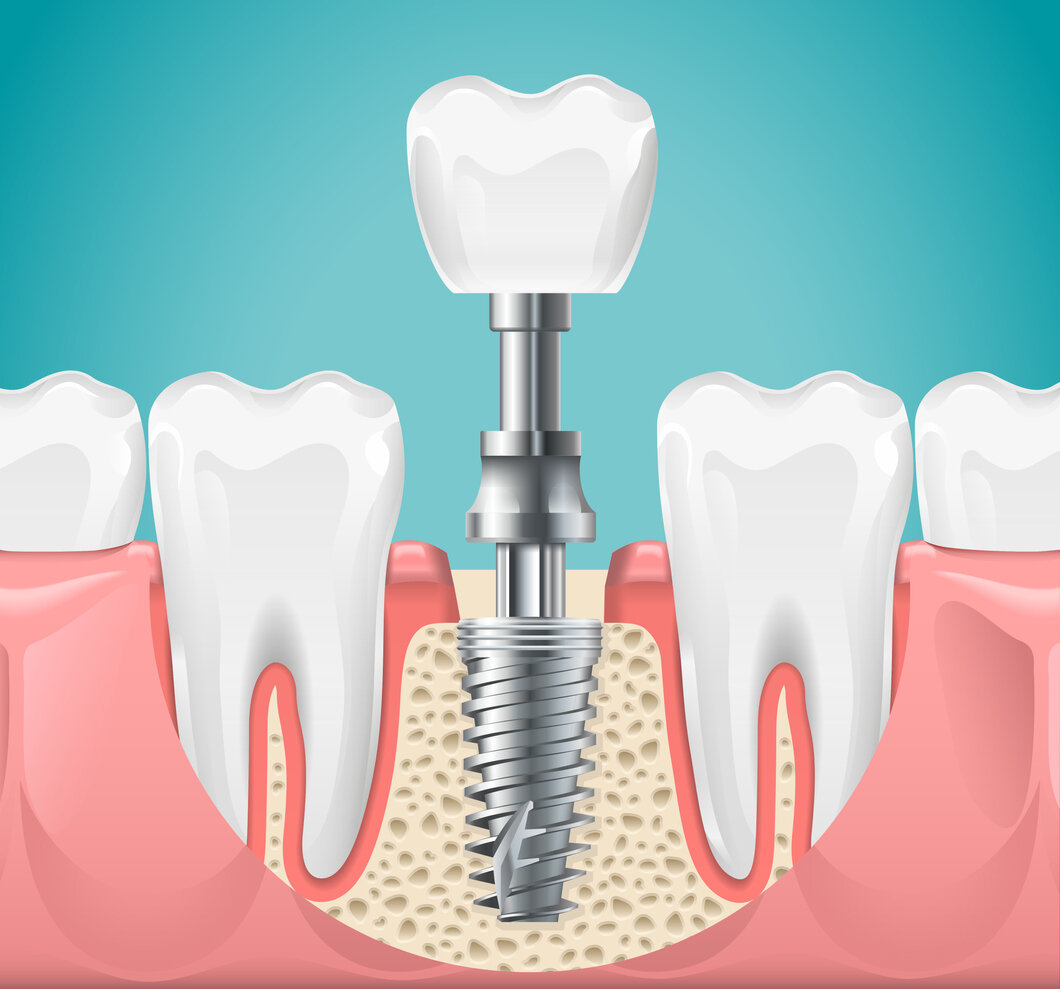
Dental implants consist of small titanium posts that act as artificial tooth roots. They are surgically inserted into the jawbone and allowed to bond naturally through a process called osseointegration. This strong connection creates a stable foundation for new teeth, which can be either fixed or removable, depending on the patient’s needs. The prosthetic teeth are carefully crafted to blend with natural teeth, ensuring a seamless appearance and a functional bite.

Implants differ from traditional bridges and dentures by being anchored directly to the bone rather than neighboring teeth or gum tissue. This design enhances stability and chewing power, making it a preferred option for individuals who want to regain full oral function.

Benefits of Dental Implants

  • Natural Appearance and Function: Implant-supported teeth look, feel, and perform like real teeth, restoring aesthetics and comfort in daily tasks.
  • Durability: With proper oral hygiene, dental implants can last for many years, sometimes even a lifetime, providing long-term value compared to other solutions.
  • Bone Preservation: One of the most significant advantages is maintaining jawbone density. Empty tooth spaces can lead to bone resorption, but implants stimulate the bone, much like natural tooth roots.
  • Improved Oral Health: Unlike traditional bridges, dental implants do not require grinding down adjacent healthy teeth, preserving more natural tooth structure and reducing the risk of further dental issues.

The Implant Procedure

The dental implant placement process typically unfolds over a series of steps:

  1. Initial Evaluation: Dentists conduct a thorough examination, including X-rays and digital scans, to plan the procedure and assess bone health.
  2. Surgical Placement: The implant is placed in the jawbone under local anesthesia or sedation. The area then begins the healing phase.
  3. Healing and Osseointegration: Over the next several months, the bone fuses with the implant, providing a solid base for the prosthetic tooth.
  4. Abutment Installation: Once the implant is fully integrated with the bone, a connecting post (abutment) is attached to the implant.
  5. Placement of the Crown: The final custom-made crown is secured onto the abutment, completing the restoration with a natural-looking tooth.

Healing times and techniques can vary, but a personalized plan helps ensure the best possible outcome for each individual.

Advancements in Implant Technology

Modern dental implantology has greatly benefited from emerging technologies. Three-dimensional imaging and computer-guided surgery support precise placement, minimizing risks and reducing recovery times. New materials, such as ceramic and zirconia implants, offer alternatives for patients with sensitivities or a preference for metal-free restorations.

Additionally, improvements in surface technology enable faster integration with the jawbone, and options such as mini implants now offer solutions for patients with limited bone tissue.

Patient Experiences

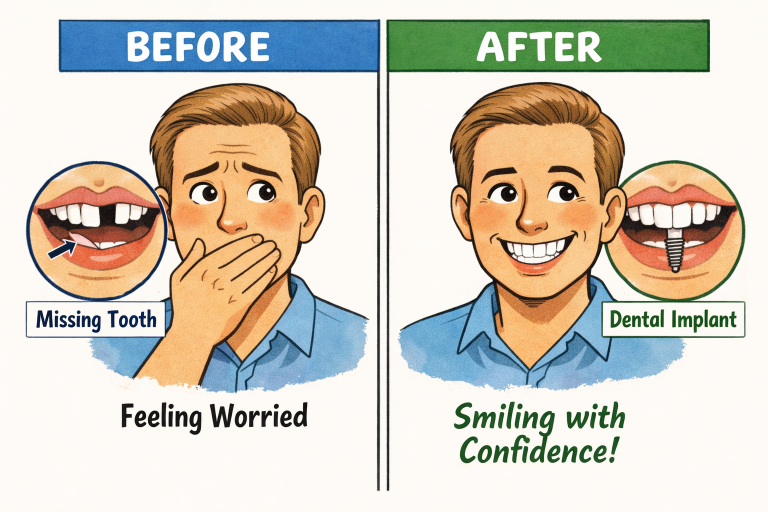
Patients who receive dental implants often express renewed confidence and comfort, highlighting the positive changes to their appearance and ability to eat or speak without anxiety. These improvements can lead to greater participation in social situations and a more active lifestyle. Many also report that dental implants have enabled them to enjoy a wider variety of foods, leading to better nutrition and improved health outcomes.

Considerations Before Getting Implants

Patients should keep several key factors in mind when contemplating dental implants:

  • Health Status: Certain chronic conditions, such as uncontrolled diabetes or a compromised immune system, may affect osseointegration and healing.
  • Bone Volume: Adequate bone density is crucial. Bone grafting may be recommended for those lacking sufficient bone to support an implant.
  • Cost and Insurance: Dental implants tend to have higher initial costs than dentures or bridges, but their longevity often makes them a smart long-term investment. Insurance coverage can vary, so it is important to check with your provider in advance.

Final Thoughts

Dental implants have fundamentally changed what is possible in restorative dentistry, delivering reliable, attractive solutions for people facing tooth loss. As technology continues to advance, implants are becoming safer, more effective, and more accessible. This progress enables more individuals to regain their smiles and improve their quality of life, with lasting benefits.

Continue Reading

Trending