Connect with us

News

Tractor Supply Sales Associate Job Description: A Complete Guide

Published

on

Tractor Supply Sales Associate Job Description: A Complete Guide

The retail industry thrives on the backbone of dedicated workers who connect products to customers with insight, enthusiasm, and professionalism. Among these workers, sales associates play a vital role. One such position in high demand is that of a Tractor Supply Sales Associate. Tractor Supply Company (TSC) is one of the leading retailers of rural lifestyle products in the United States, and their sales associates are essential in providing top-notch service and product knowledge to a wide range of customers—from farmers and ranchers to homeowners and outdoor enthusiasts.

In this article, we’ll dive deep into the job description of a Tractor Supply Sales Associate, highlighting key responsibilities, skills required, working conditions, opportunities for growth, and frequently asked questions about the position.

About Tractor Supply Company

Founded in 1938, Tractor Supply Company operates over 2,100 stores across 49 states. It caters to the unique needs of recreational farmers, ranchers, pet owners, and those who enjoy the rural lifestyle. The company’s product lines include agriculture and livestock supplies, pet care, hardware, tools, clothing, lawn and garden equipment, and home improvement essentials.

With its growing footprint, Tractor Supply continually seeks enthusiastic and knowledgeable sales associates to uphold its reputation for excellent customer service and rural expertise.

Job Overview: Sales Associate at Tractor Supply

A Sales Associate at Tractor Supply is primarily responsible for delivering excellent customer service, ensuring shelves are stocked, and maintaining a clean and organized store. The role requires individuals who are customer-focused, detail-oriented, and capable of multitasking in a fast-paced retail environment.

Job Title: Sales Associate
Department: Retail Store
Reports To: Store Manager or Team Lead
Employment Type: Full-time or Part-time
Pay Range: Varies by location and experience, typically between $13–$17 per hour

Key Responsibilities

  1. Customer Service Excellence
    • Greet customers promptly and courteously.
    • Provide accurate information on products and services.
    • Assist customers in locating items and making purchasing decisions.
    • Handle returns and exchanges according to store policy.
  2. Product Knowledge
    • Learn and maintain a thorough understanding of products, especially those related to farming, ranching, pet care, and outdoor living.
    • Recommend complementary products and services to increase sales.
  3. Sales and Merchandising
    • Execute merchandising standards, including setting up displays and stocking shelves.
    • Participate in promotional activities and seasonal displays.
    • Monitor inventory levels and inform management of restocking needs.
  4. Store Operations
    • Operate cash registers, process sales transactions, and handle customer payments.
    • Perform opening and closing duties as required.
    • Maintain cleanliness and organization of aisles, displays, and storage areas.
  5. Safety and Compliance
    • Follow safety procedures for handling products and using store equipment.
    • Comply with company policies and procedures, including loss prevention and customer privacy.

Qualifications and Skills

While previous retail experience is helpful, it is not always required. Tractor Supply provides on-the-job training to help associates succeed.

Basic Qualifications

  • High school diploma or equivalent preferred
  • Must be at least 18 years old
  • Ability to work flexible schedules, including nights, weekends, and holidays
  • Must be able to lift and move up to 50 pounds
  • Basic math and communication skills
  • Comfortable with computers and point-of-sale systems

Preferred Skills

  • Experience with farming, animal care, gardening, or mechanical tools
  • Previous retail or customer service experience
  • Bilingual (especially Spanish) is a plus in diverse communities

Physical and Working Conditions

Working as a sales associate at Tractor Supply involves both indoor and outdoor tasks. Employees must be able to stand for long periods, bend, squat, and reach overhead. Some stores may have associates assist with outdoor products like fencing, trailers, or feed.

In addition, sales associates should expect:

  • A fast-paced environment
  • Exposure to varying temperatures
  • Occasional assistance with unloading truck deliveries

Opportunities for Advancement

Tractor Supply values internal promotion and career development. Sales associates who demonstrate leadership, reliability, and customer service skills may move into positions such as:

  • Team Leader
  • Assistant Store Manager
  • Store Manager
  • Field Support Roles (training, district management, merchandising)

The company also offers training programs and benefits, including:

  • Medical, dental, and vision insurance
  • Employee discounts
  • 401(k) with matching
  • Tuition reimbursement

What Makes This Role Unique?

Unlike many general retail positions, a job at Tractor Supply offers more specialized product interactions. Associates may work with livestock feed, power tools, and fencing materials one moment, then help a customer choose dog food or a pair of Carhartt boots the next. The variety keeps the job interesting, and those with a passion for the outdoors, animals, or farming will find their knowledge particularly valuable.

Sample Day in the Life of a Sales Associate

  • 8:00 AM: Clock in, attend a brief team meeting, and check assigned duties.
  • 9:00 AM: Assist customers looking for chicken feed and fencing materials.
  • 11:00 AM: Restock lawn and garden section and organize the dog food aisle.
  • 1:00 PM: Lunch break.
  • 2:00 PM: Operate the register, process returns, and answer phone inquiries.
  • 4:00 PM: Help with loading a customer’s vehicle with large purchases.
  • 5:00 PM: Clean and prepare store for closing.
  • 6:00 PM: Clock out and review next day’s schedule.

FAQs About Tractor Supply Sales Associate Jobs

Q1: Is training provided for new sales associates?
Yes, Tractor Supply offers comprehensive training programs, both in-store and online, to help associates understand products, policies, and customer service standards.

Q2: What kind of attire is required?
Typically, associates wear branded shirts and jeans or khakis. Closed-toe shoes are mandatory for safety.

Q3: Do sales associates earn commissions?
No, most sales associates are paid hourly without commission. However, there may be incentives for hitting store-wide sales goals.

Q4: Are part-time roles available?
Yes, Tractor Supply offers flexible part-time schedules suitable for students, retirees, and those seeking supplemental income.

Q5: Is weekend availability mandatory?
Weekend shifts are commonly expected due to higher customer traffic, but schedules are discussed during hiring.

Conclusion

A Sales Associate position at Tractor Supply is more than just a retail job—it’s a dynamic, customer-facing role perfect for those with a passion for rural living, animals, and the outdoors. The job offers opportunities to grow within a well-established company while building valuable skills in sales, product knowledge, and customer service. Whether you’re starting your career or looking for a hands-on role in retail, Tractor Supply could be the right fit.

Continue Reading
Click to comment

Leave a Reply

Your email address will not be published. Required fields are marked *

News

How Executive Coaching Helps Leaders Make Better Strategic Decisions

Published

on

By

Key Takeaways

  • Executive coaching boosts strategic decision-making and self-awareness.
  • Critical thinking and emotional intelligence improve problem-solving and team trust.
  • Confidence and reflective practice help leaders act decisively and learn from experience.
  • Strong communication ensures decisions are understood and supported across the organization.
  • Coaching benefits both leaders and the overall organizational performance.

Introduction

In today’s dynamic business landscape, leaders constantly face complex challenges that require decisive action and strategic thinking. Making informed decisions is crucial not only for organizational growth but also for a company’s long-term viability. Many executives are turning to coaching to refine their decision-making, gain greater perspective, and lead with confidence. In some cases, attending a myers briggs team building workshop or engaging in one-on-one coaching sessions plays a critical role in this developmental journey.

Executive coaching stands out as a multifaceted approach to professional improvement. It allows leaders to unlock new perspectives, overcome limitations, and foster habits that improve decision outcomes. Through tailored support, coaches enable leaders to harness their strengths and address their blind spots in real time.

Developing Self-Awareness

One of the foundational components of executive coaching is fostering self-awareness. Coaches guide leaders to explore their personal values, leadership styles, and decision-making patterns. With heightened self-awareness, leaders recognize cognitive biases and habitual reactions that may hinder objective judgment. By actively reflecting on their behavior and mindset, executives become more adept at evaluating situations based on data and evidence instead of instinct or emotion.

This deeper understanding leads to intentional leadership, enhancing the clarity and objectivity of decision-making.

Building self-awareness is not a one-time achievement but a continuous process. Executive coaches often use a combination of personality assessments, 360-degree feedback tools, and introspective exercises to help leaders deepen their insight into habitual behaviors and mindset traps. Over time, these practices lay a foundation for authentic leadership, which, in turn, fosters a culture of openness and transparency throughout the organization. Leaders who demonstrate self-awareness model vulnerability, encouraging their teams to do the same and thereby strengthening overall trust and engagement in the workplace.

Enhancing Critical Thinking

Strategic decisions often require analyzing complex variables and considering multiple outcomes. Executive coaching encourages leaders to question assumptions, empathize with diverse viewpoints, and critically assess available data. This process cultivates a disciplined, logical approach to decision-making and ensures that choices align with the overall business objectives.

By challenging comfort zones and organizational norms, coaches foster an environment where innovation is possible. Leaders become more skilled at identifying root causes, predicting potential consequences, and prioritizing initiatives that add tangible value.

Another important aspect is the ability to synthesize information from a variety of sources, internal reports, customer feedback, industry trends, and determine what is most relevant to the organization’s goals. Coaches provide leaders with strategies for assessing risks and opportunities, as well as frameworks for scenario planning. This comprehensive approach not only improves decision quality but also better prepares organizations to be agile in an ever-changing market.

Improving Emotional Intelligence

Emotional intelligence (EI) is a key differentiator among high-performing leaders. Effective decision-making depends on the ability to manage personal emotions, perceive others’ emotional cues, and build trusting relationships. Executive coaching provides practical tools and frameworks to strengthen these EI competencies.

Leaders with strong emotional intelligence remain calm under pressure and communicate clearly during critical moments. This capacity not only reduces the risk of emotional decision-making but also enhances a leader’s impact throughout the organization. Research by the American Psychological Association highlights the correlation between emotional intelligence and improved leadership performance.

Incorporating EI techniques helps leaders address conflicts constructively, inspiring teams even during times of adversity. Through coaching, executives learn to decipher both verbal and nonverbal cues, enabling more empathetic responses and greater positive influence. The development of EI cultivates a supportive and motivating workplace where creativity and collaboration thrive. Organizations led by emotionally intelligent executives regularly report higher levels of employee satisfaction, loyalty, and effectiveness.

Building Confidence

Decisiveness and confidence are closely connected in effective leadership. Executive coaching provides a confidential and supportive environment for leaders to identify and address the doubts and fears that may underlie indecision. Through targeted feedback and positive reinforcement, leaders gradually develop greater self-belief and the willingness to accept responsibility for high-impact decisions.

Increased confidence equips leaders to move forward decisively even when clear answers are lacking. The assurance that comes from experience and self-trust improves the execution of strategic initiatives and boosts overall organizational morale.

Confidence is further amplified when leaders experience tangible progress in their capabilities. By tracking achievements and reflecting on their growth, executives strengthen their resilience to setbacks. Coaches teach techniques to reframe failure as a learning opportunity, encouraging risk-taking and enabling innovation. As a result, leaders become adept at managing uncertainty, an essential quality in today’s high-stakes business landscape.

Encouraging Reflective Practice

Ongoing learning is critical in the constantly changing business environment. Executive coaching encourages leaders to embrace reflective practice, which involves analyzing past decisions, outcomes, and thought processes. Through guided reflection, executives pinpoint what worked well and where improvements are needed.

This deliberate habit of reflection promotes continuous growth and sharpens the ability to adapt and make more effective decisions. Over time, leaders build a personal framework for learning from both successes and setbacks, further refining their strategic approach.

Additionally, structured reflection with a coach can lead to the discovery of patterns and recurring themes in decision-making. This higher level of insight supports not just personal development but also enables more accurate forecasting and risk mitigation. Teams led by reflective leaders benefit from a culture that values feedback and lessons learned, resulting in ongoing organizational improvement and adaptability.

Enhancing Communication Skills

Clear and transparent communication is essential when making and implementing strategic decisions. Executive coaching helps leaders strengthen their ability to listen actively, ask purposeful questions, and articulate complex ideas in a compelling manner. These skills are crucial for gathering input from key stakeholders and achieving buy-in for major initiatives.

Effective communication ensures that decisions are understood and embraced throughout the organization, minimizing resistance and fostering greater collaboration. Improved dialogue leads to well-informed strategies and, ultimately, more successful outcomes.

Furthermore, coaching helps leaders tailor their communication for different audiences, adapting their messaging for employees, board members, or external partners. Equipping leaders with these nuanced skills increases the likelihood of successfully implementing strategic decisions. A culture of open communication also enhances internal alignment and accelerates the organization’s ability to respond to new challenges and opportunities.

Final Thoughts

Executive coaching empowers leaders to navigate today’s business environment with resilience and clarity. By building self-awareness, enhancing critical thinking, developing emotional intelligence, cultivating confidence, supporting reflective practice, and honing communication skills, coaching provides a comprehensive toolkit for better strategic decision-making. Leaders equipped with these skills are prepared to guide their organizations through uncertainty and capitalize on emerging opportunities for continued growth and success.

Beyond individual development, the ripple effect of coaching benefits the broader organizational culture. Teams become more adaptable, cross-functional collaboration improves, and the organization becomes better at executing complex strategies. As leaders continue to harness the strengths gained through coaching, they not only make better decisions but also inspire and develop the next generation of high-performing leaders. In the ever-evolving world of business, executive coaching remains an invaluable investment for both leaders and their organizations.

Continue Reading

News

Tehran fuel dumps burn as Iran warns it can fight for months

Published

on

By

Tehran fuel dumps burn as Iran warns it can fight for months

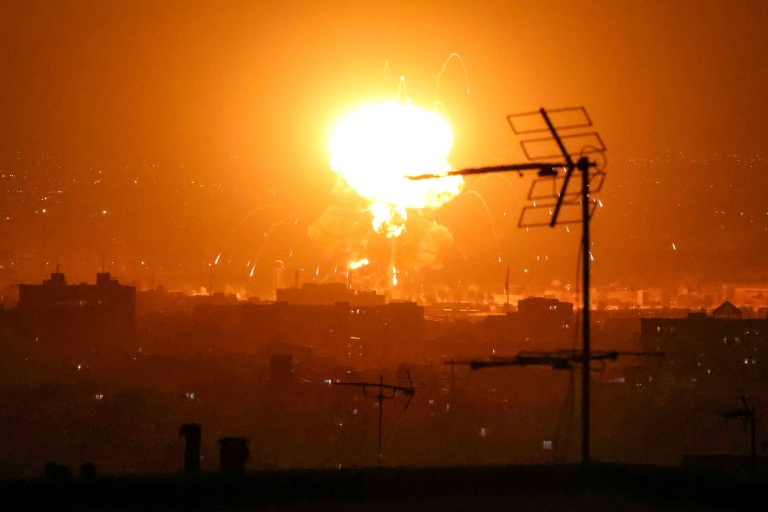
Tehran – The Iranian capital awoke to a choking haze of toxic smoke on Sunday after Israeliairstrikes targeted major fuel storage facilities, triggering massive fires and prompting urgent health warnings from officials. The attack marks a significant escalation in the ongoing conflict, with Tehran vowing retaliation and warning it is prepared to fight for months.

Inferno in the Capital

Large explosions rocked Tehran and the neighbouring Alborz province late on Saturday, with verified videos showing huge balls of fire and thick columns of black smoke rising into the night sky . The Israeli military confirmed it struck approximately 30 fuel depots across Iran, describing the operation as a “significant strike” aimed at dismantling military infrastructure used by Iran’s armed forces .

Iran’s National Iranian Oil Refining and Distribution Company reported that multiple oil depots in Tehran and Alborz provinces were hit by missiles and caught fire, with firefighting teams working to contain the blazes . The semi-official Tasnim news agency reported that six people were killed and 21 others injured in an attack on one storage facility in Alborz province .

This weekend’s strikes represent the first major assault on Iran’s energy infrastructure since the United States and Israel launched joint attacks on February 28, which killed Supreme Leader Ayatollah Ali Khamenei and more than 1,200 others .

Environmental and Health Crisis

The aftermath of the strikes has created a public health emergency in the capital. Residents reported a disturbing phenomenon on Sunday morning, with a CNN correspondent in Tehran describing it as “raining oil” as residue from burning fuel depots mixed with precipitation .

The Iranian Red Crescent Society issued an urgent warning for residents to remain indoors due to the risk of lung and skin diseases from acid rain and toxic vapours produced by burning fuel and chemicals . According to Iranian state media, pollutants have already entered Tehran’s urban areas, with officials warning that toxic compounds from the burning oil depots could generate dangerous acid rain if precipitation continues .

Iranian Foreign Ministry spokesman Esmaeil Baghaei condemned the strikes as “war crimes and crimes against humanity,” alleging that by targeting fuel depots, the aggressors were “releasing hazardous materials and toxic substances into the air, poisoning civilians, devastating the environment, and endangering lives on a massive scale” .

Iran’s Warning: Ready for a Long Fight

Amid the devastation, Iranian military officials have issued stark warnings about their capacity and intent to sustain a prolonged conflict. The Islamic Revolutionary Guard Corps (IRGC) has declared that the country is prepared to fight a “long war” and may deploy advanced weapons systems that have never been used before in the current conflict .

Major General Ali Mohammad Naeini, an IRGC spokesman, stated that Iran is fully prepared for what it described as a “long war” and is ready to introduce new advanced weapons systems. “These technologies have not yet been widely used,” Naeini said, adding that Iran’s enemies could face intense attacks in the next wave of military operations .

The IRGC also confirmed it had launched retaliatory strikes against Israeli infrastructure, claiming responsibility for attacking a refinery in Israel’s Haifa using Kheibarshekan missiles in response to the strikes on Iranian energy facilities .

Regional Retaliation Threats

Perhaps most alarmingly for global markets, Iran has threatened to expand the conflict to regional energy infrastructure if attacks on its own facilities continue. Ebrahim Zolfaghari, spokesman for Iran’s Khatam al-Anbiya Central Headquarters, warned Muslim states in the region to prevent US and Israeli attacks on Iranian fuel and energy facilities, cautioning that Tehran would respond with similar actions if strikes persist .

“Otherwise, similar actions will be taken in the region,” Zolfaghari said. “If you can tolerate oil prices above $200 per barrel, keep playing this game” . A similar warning came from another Iranian military spokesperson, who noted that Iran has so far avoided targeting regional energy infrastructure but cautioned that if it does so, global oil prices could surge dramatically .

US Concerns and Political Fallout

The scale of Saturday’s strikes has reportedly caught Washington off guard and created rare friction between the United States and Israel. According to US news outlet Axios, American officials were surprised by the breadth of the attacks, which exceeded what they expected after Israel notified Washington ahead of the operation .

“The president doesn’t like the attack on the oil facilities. He wants to save the oil, not burn it. And it reminds people of higher gas prices,” said an adviser to President Donald Trump . A senior US official added, “We don’t think it was a good idea” .

Washington’s concerns appear rooted in both political and strategic calculations. With gasoline prices rising more than 14 percent in the past week across the United States, the White House faces potential domestic political fallout . Officials also fear that attacking infrastructure serving ordinary Iranians could backfire by strengthening public support for the Iranian leadership .

Humanitarian Toll

The human cost of the escalating conflict continues to mount. Since fighting intensified on February 28, Iranian officials report that 1,205 civilians have been killed, including 194 children . Residents described living in a climate of fear as airstrikes continue and internet services are intermittently cut.

“It’s very scary. Day and night, eating and sleeping — it’s all over the place,” one unnamed resident of western Tehran told reporters . Another resident in central Tehran expressed uncertainty about the future while noting that basic services were still functioning: “God knows what will happen to us. We still have water, electricity and food” .

Regional Spillover

The conflict has already begun to spread beyond direct strikes between Iran and Israel. Iran has reportedly attacked infrastructure in Gulf Arab states, including a desalination plant in Bahrain, raising concerns about broader regional destabilisation . Shipping through the Strait of Hormuz has been disrupted, affecting oil exports from Saudi Arabia, the UAE, Qatar, Iraq, and Kuwait .

European nations are also feeling the impact, with natural gas prices surging approximately 70 percent since the conflict escalated . Analysts warn that if hostilities continue, energy supplies could be further disrupted, driving prices higher and potentially triggering another energy crisis for Europe .

What Comes Next

As thick smoke continues to rise over Tehran and residents grapple with environmental hazards, the region stands at a precarious crossroads. Iran has demonstrated both its vulnerability to precision strikes on energy infrastructure and its willingness to threaten asymmetric retaliation across the region.

With Tehran warning it can fight for months and potentially introduce new weapons systems, and with Washington showing discomfort with the scope of Israeli operations, the coming days may prove critical in determining whether this conflict expands further or whether diplomatic offensives can gain traction.

Continue Reading

News

Questions over AI Capability as Tech Guides Iran Strikes

Published

on

By

Questions over AI Capability as Tech Guides Iran Strikes

The recent strikes on Iran, which resulted in the death of Supreme Leader Ayatollah Ali Khamenei and other top officials, mark a watershed moment in military history. For the first time, advanced artificial intelligence (AI) systems played an integral role in the targeting and execution of large-scale combat operations. While the geopolitical ramifications are still unfolding, a parallel debate is intensifying over the rapidly growing—and potentially destabilizing—role of AI in modern warfare .

Reports from the battlefield reveal a complex picture: the US military utilized AI-powered tools to identify targets and analyze intelligence, even as a public dispute erupted with the tech company behind the technology. Simultaneously, Iran is rushing to integrate AI into its own defense systems, signaling a new arms race not just in missiles and drones, but in the algorithms that guide them .

The Maven Smart System and the “Speed of Thought”

At the center of the US-led “Operation Epic Fury” was the Maven Smart System, a sophisticated AI platform developed by data analytics company Palantir Technologies and enhanced with Anthropic’s Claude AI model . According to reports from the Washington Post cited by Anadolu Ajansı, the system was used to analyze massive volumes of classified intelligence from satellites and surveillance platforms to generate hundreds of potential targets in Iran. It provided exact geographic coordinates and ranked them based on operational importance .

The integration of AI has compressed military planning timelines dramatically. Military sources described a shift from weeks of preparation to near-real-time operational decisions. “The AI machine is making recommendations for what to target, which is actually much quicker in some ways than the speed of thought,” explained Craig Jones, a lecturer in political geography, highlighting how AI allows for simultaneous, decapitation-style strikes that would have taken days or weeks to coordinate in past conflicts .

This capability was crucial in the joint US-Israeli operation that killed Ayatollah Khamenei. The New York Times reported that the CIA had been tracking the Supreme Leader’s patterns for months. When intelligence indicated a rare gathering of top security officials at a compound in Tehran, the US and Israel used AI-assisted planning to adjust their strike timeline, turning a routine meeting into a critical strategic victory .

A Tech Backlash: The Anthropic Dispute

The effectiveness of the technology, however, is matched only by the controversy surrounding its use. The strikes occurred against the backdrop of a fierce dispute between the Trump administration and Anthropic, the company behind the Claude AI model integrated into the Maven system .

Just hours before the bombing campaign began, the administration announced it was barring government agencies from using Anthropic’s technology, labeling it a “supply chain risk” and a “security threat” following a breakdown in negotiations . Anthropic had reportedly sought restrictions on how its tools could be used, specifically concerning mass domestic surveillance and fully autonomous weapons .

Despite the ban, the military continued to use the system during the critical initial strikes, highlighting a growing dependency on commercial AI tools that the Pentagon may find difficult to sever . The incident underscores a central question of the AI age: can the tech industry retain ethical control over its inventions once they are integrated into the “kill chain”?

Iran’s AI Defense Buildup

As US B-2 stealth bombers struck fortified underground facilities, Iran’s military leadership has been touting its own AI advancements, framing them as essential for deterrence and sovereignty .

In the weeks leading up to the strikes, Iran’s defense establishment accelerated its AI integration. Defense Minister Brigadier General Aziz Nasirzadeh emphasized the “imperative nature of the application of artificial intelligence technologies to drone production processes,” noting that the country had integrated 1,000 new UAVs capable of “smartization” .

The Islamic Revolutionary Guard Corps (IRGC) Navy has announced the development of long-range cruise missiles exceeding 1,000 kilometers that integrate AI for enhanced targeting . Furthermore, Iran’s “Silicon Valley”—the Pardis Technology Park near Tehran—has become a hub for developing domestic software and hardware for missile programs, specifically designed to circumvent international sanctions .

The New Battlefield

Despite the US ban on Anthropic, the military is already transitioning to alternative models from OpenAI, which struck a deal with the Pentagon just days after the strikes began . For its part, Iran’s Defense Ministry has halted the public unveiling of new achievements to preserve the “element of surprise,” though officials confirm that AI-driven systems continue to be integrated operationally .

The strikes on Iran demonstrate that AI is no longer a peripheral tool in warfare but a central component of both offensive and defensive strategy. As algorithms take on a greater role in targeting and decision-making, the world is left grappling with the ethical and strategic implications of a future where the speed of war is dictated by the speed of code.

Continue Reading

Trending